

 ENG
ENG 中文简体
中文简体 Português
Card manufacturing has developed beyond the simple transfer of graphics onto plastic sheets. Modern production can involve printing, lamination, punching, and additional processing, with each stage influencing the next. As a result, Card Printing Equipment Technology is increasingly concerned with how individual machines coordinate within the wider manufacturing process rather than focusing only on the performance of one piece of equipment.
Printing Is Only One Stage
A printed PVC sheet is not necessarily a finished card. Depending on the card structure, printed layers may need to be combined with overlays, inlays, or other materials before the final card shape is produced. Lamination brings these layers together, while punching or die cutting separates the finished card from the larger sheet.
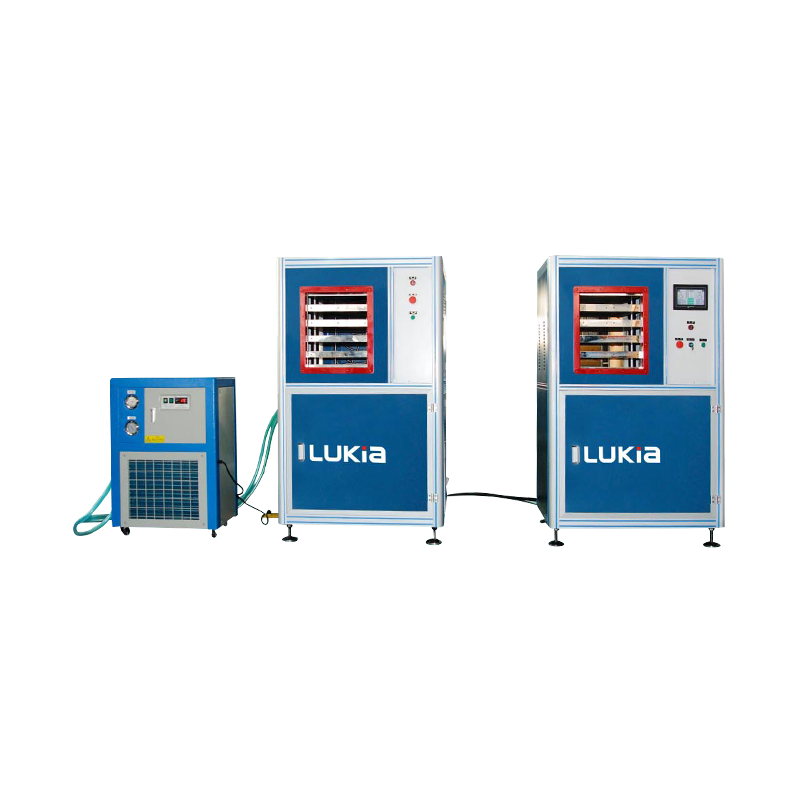
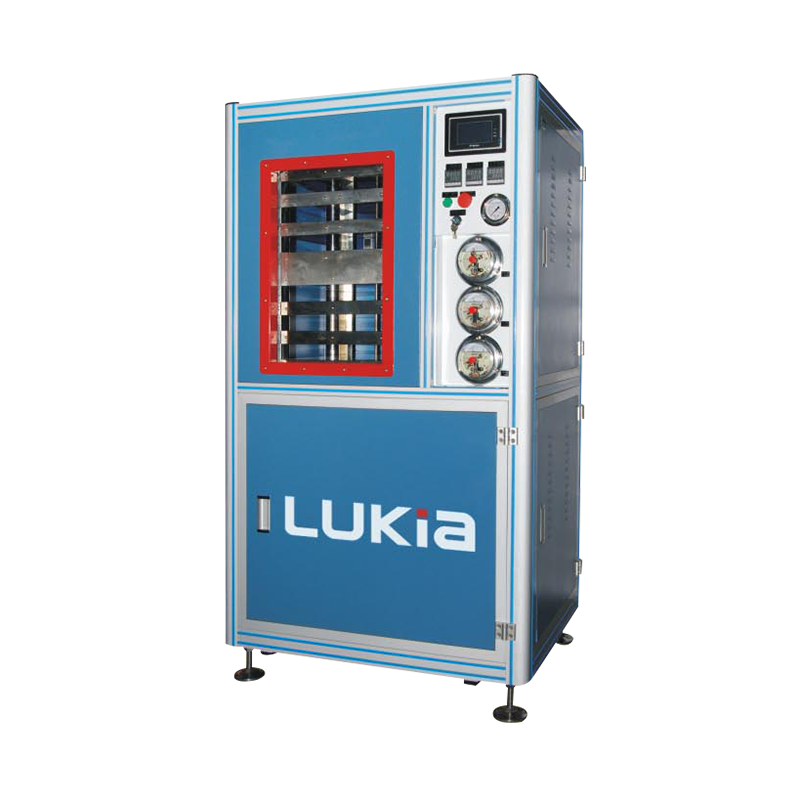
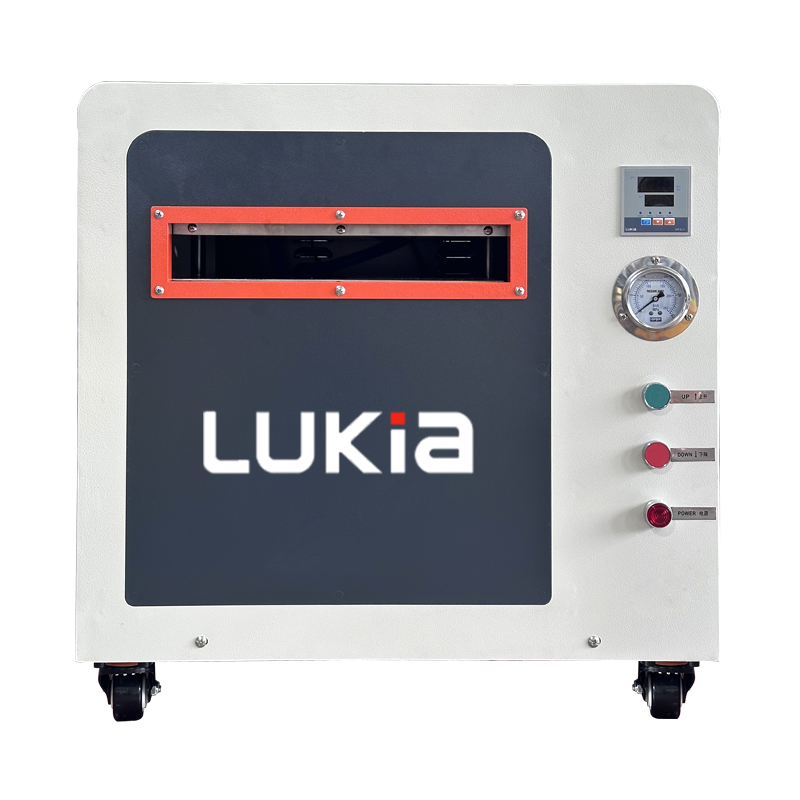
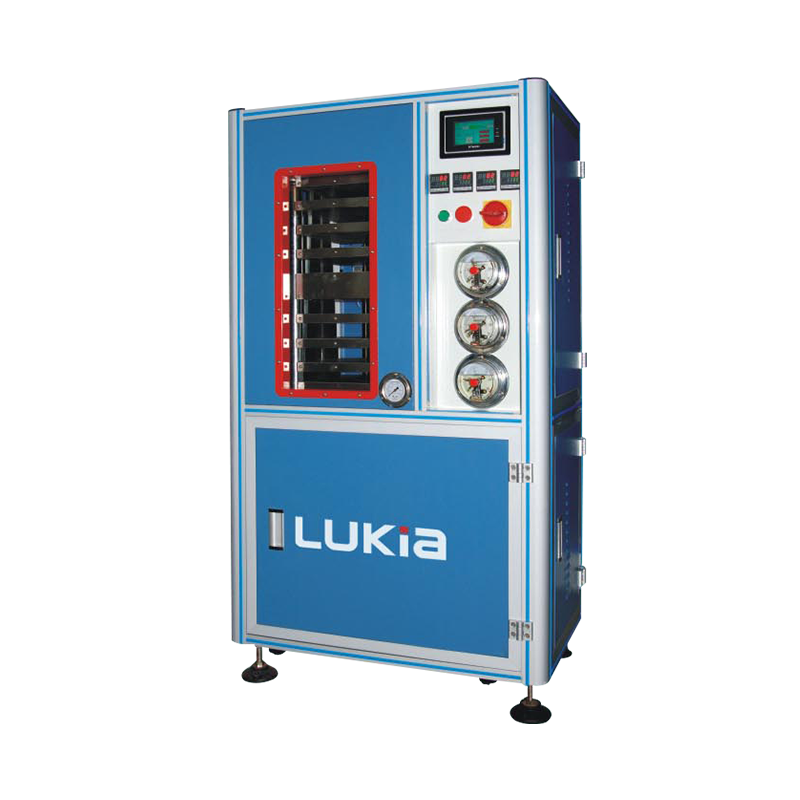
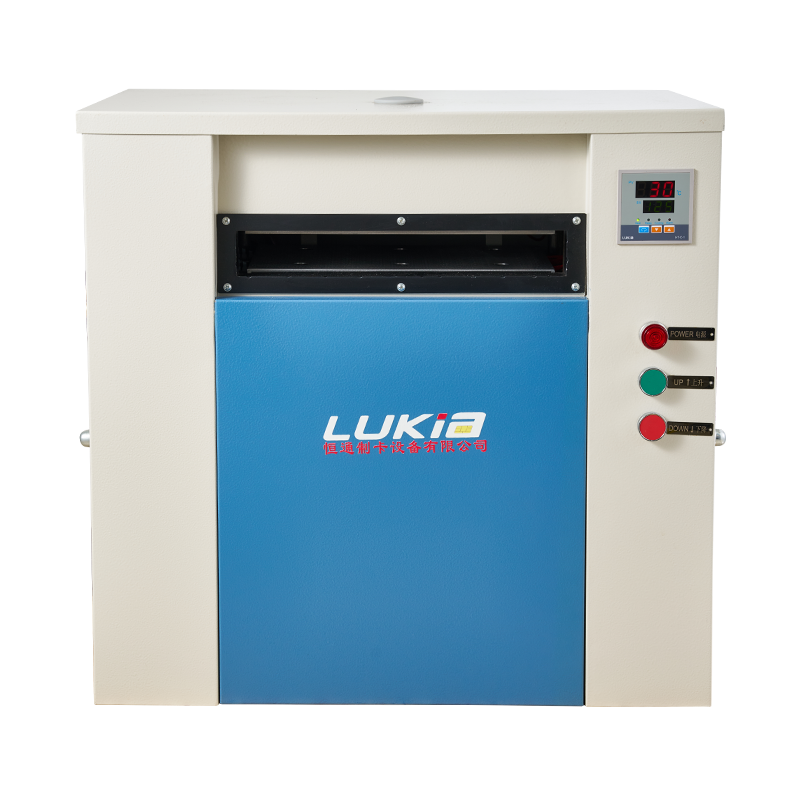
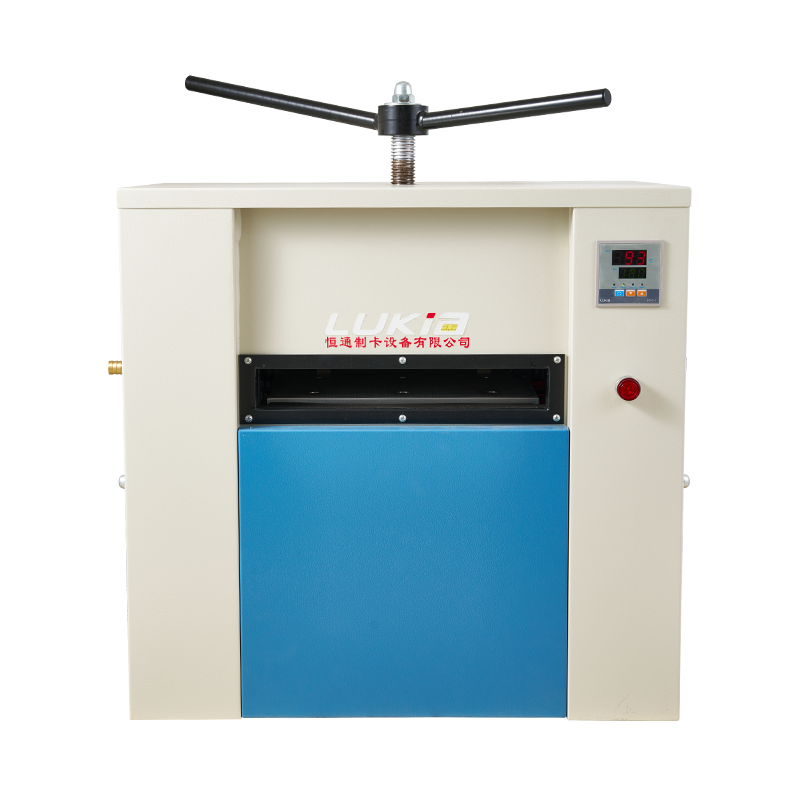
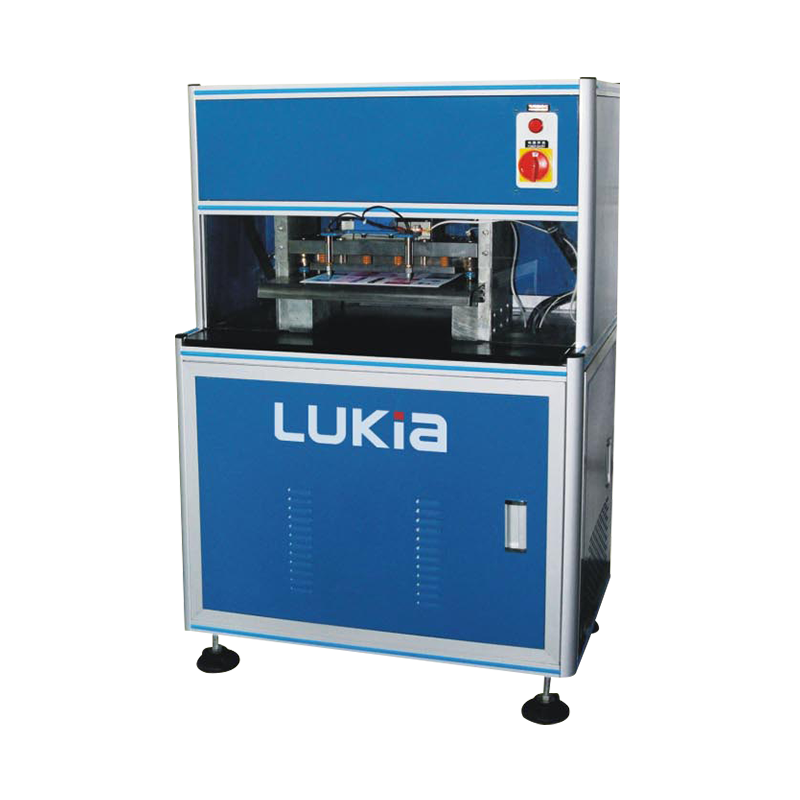
Hengtong's equipment range reflects this multi-stage approach, covering laminating machines, card punching machines, consumables, and auxiliary equipment. Its punching equipment, for example, is designed to process laminated PVC material into individual card shapes.
Lamination Has Become a Controlled Process
Lamination is one area where equipment technology increasingly involves several coordinated parameters. Temperature, pressure, heating time, and cooling conditions can all influence how plastic card layers are processed.
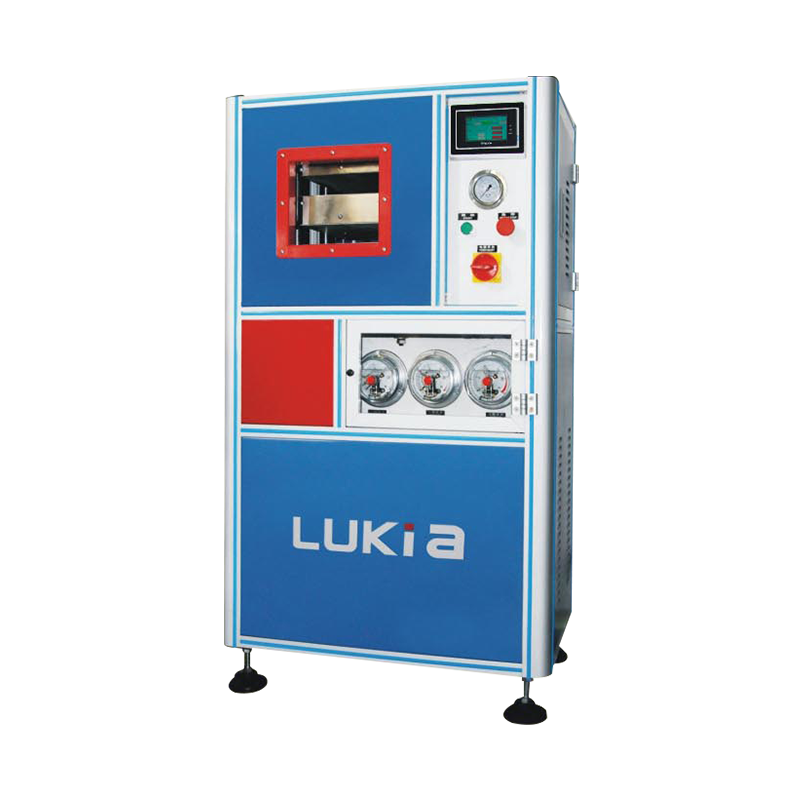
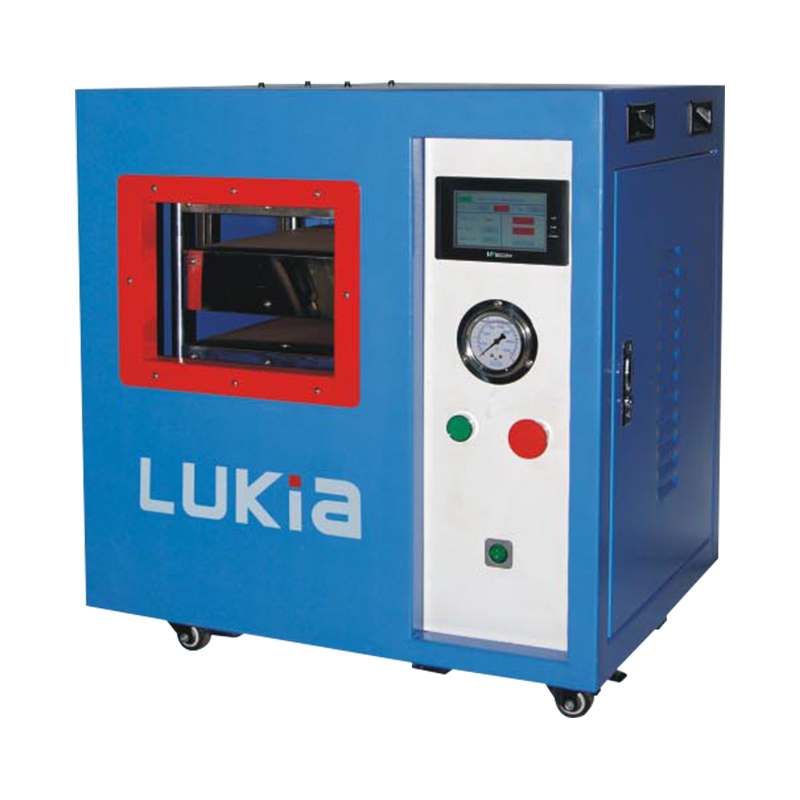
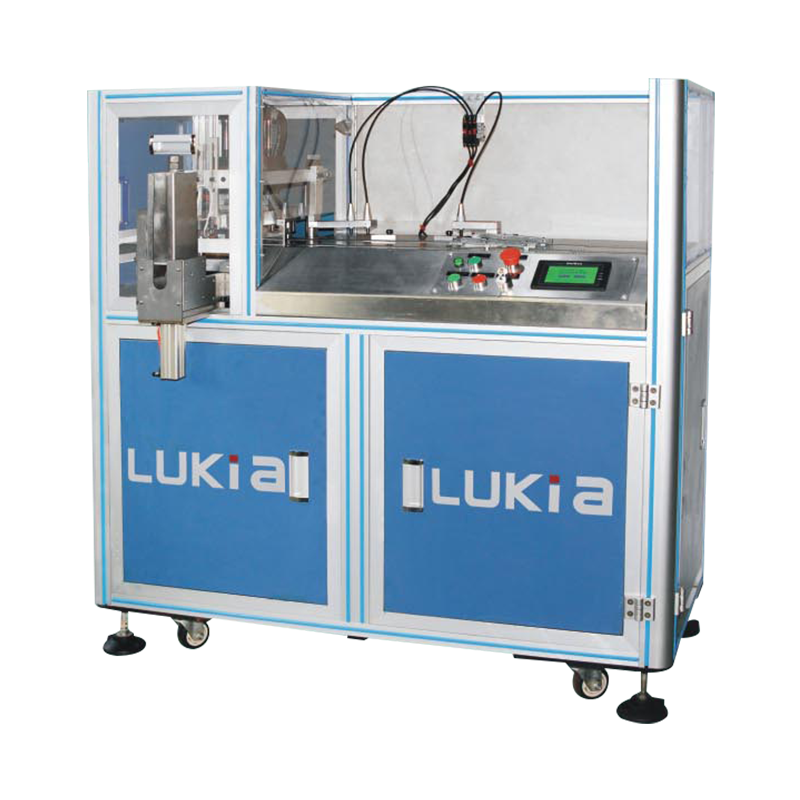
Modern laminators can therefore incorporate separate control systems rather than relying on a simple heating-and-pressing arrangement. The HT-C-6-A4, for example, uses PLC control, hydraulic pressure, PID heating, and water cooling, while its configuration is intended for different types of personalized, IC, ID, and inlay card production.
For Card Printing Equipment Technology, this type of process control is significant because consistent lamination provides a more predictable foundation for subsequent card processing.
Automation Connects Equipment Functions
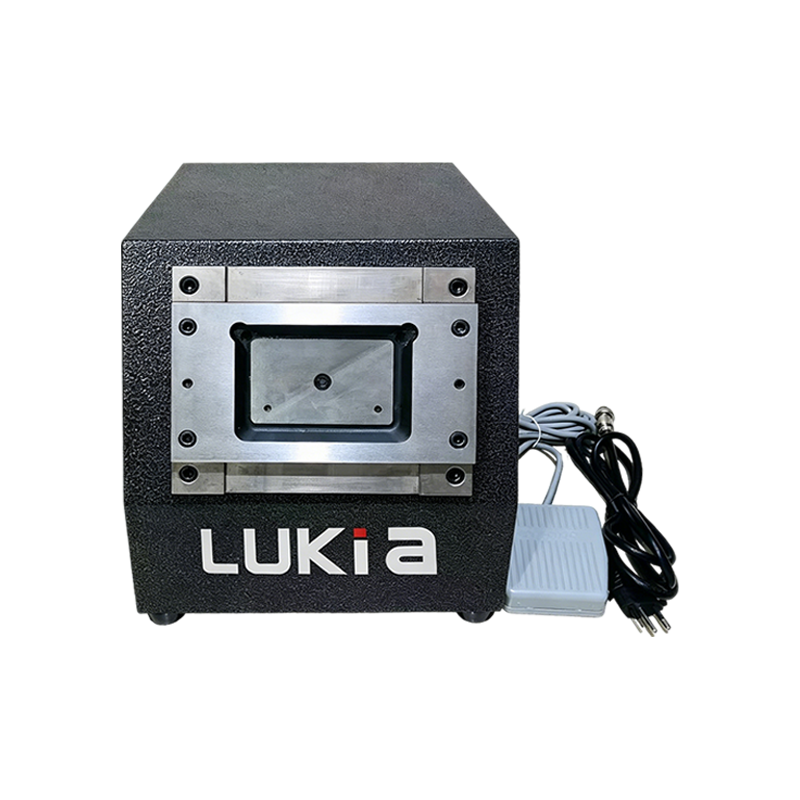
Automation is also changing how operators interact with card-making equipment. PLC control and touchscreen interfaces can bring temperature, pressure, timing, and other operating parameters into a more organized control system.
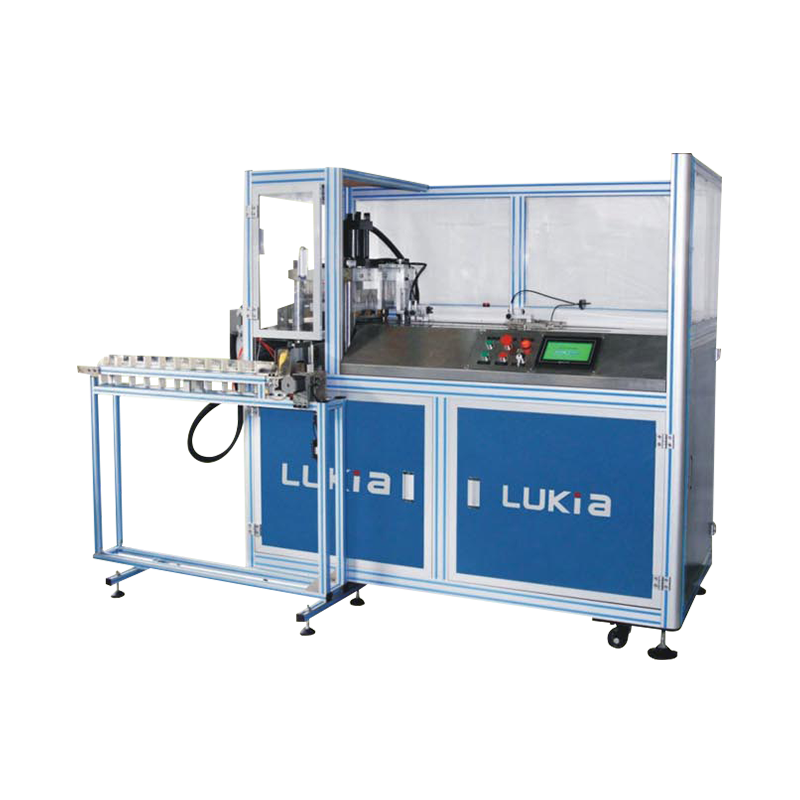
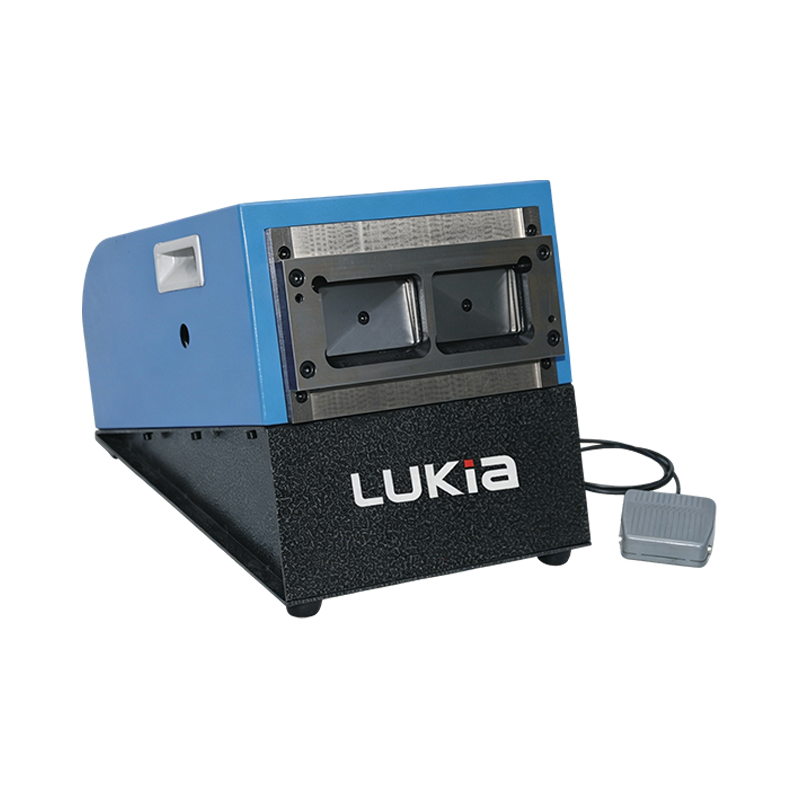
This does not mean every card production environment requires the same degree of automation. A small operation may use tabletop or manually fed equipment, while larger production programs can require equipment capable of processing substantially greater quantities. Hengtong's product range illustrates this difference, with tabletop punching equipment intended for offices and small shops alongside larger punching and laminating systems.
Punching Accuracy Completes the Workflow
The final card shape is another important part of the manufacturing sequence. Once laminated material is ready, punching equipment needs to separate individual cards from the sheet while maintaining the specified dimensions.
For Card Printing Equipment Technology, this means downstream equipment cannot be considered independently from earlier processes. Sheet format, material thickness, card dimensions, and mold configuration all affect how punching is performed. Hengtong's HT-306, for example, supports PVC material from 0.4 mm to 1.5 mm and can process standard card dimensions as well as customized sizes.
Equipment Selection Depends on Production Structure
The development of card equipment is therefore closely tied to the production environment. A buyer producing limited quantities may prioritize compact equipment and straightforward operation, while a card manufacturer handling larger sheet formats may place greater emphasis on automation, cycle capacity, hydraulic systems, and process coordination.
This makes Card Printing Equipment Technology less about pursuing one universal machine configuration and more about matching equipment capabilities with the required production workflow. Material type, card construction, sheet size, output requirements, and the relationship between printing, lamination, and punching all need to be considered together.
As card products become more varied, equipment technology is moving toward better coordination between individual processing stages. Printing still provides the visual information, but lamination, controlled heating and pressure, cooling, and precision punching determine how that printed material becomes a finished card. The broader development is therefore not simply faster printing; it is the gradual integration of multiple manufacturing processes into a more coordinated card-production system.