

 ENG
ENG 中文简体
中文简体 Português
Card manufacturing involves several processes that have to work together before a finished card can leave the production floor. Printing, lamination, punching, inspection, and related handling each address a different stage of production. A Card Making Production Line therefore needs to be considered as a connected workflow rather than a collection of independent machines. The way equipment is matched can influence production capacity, material flow, and the consistency of finished cards.
Production Starts With Process Matching
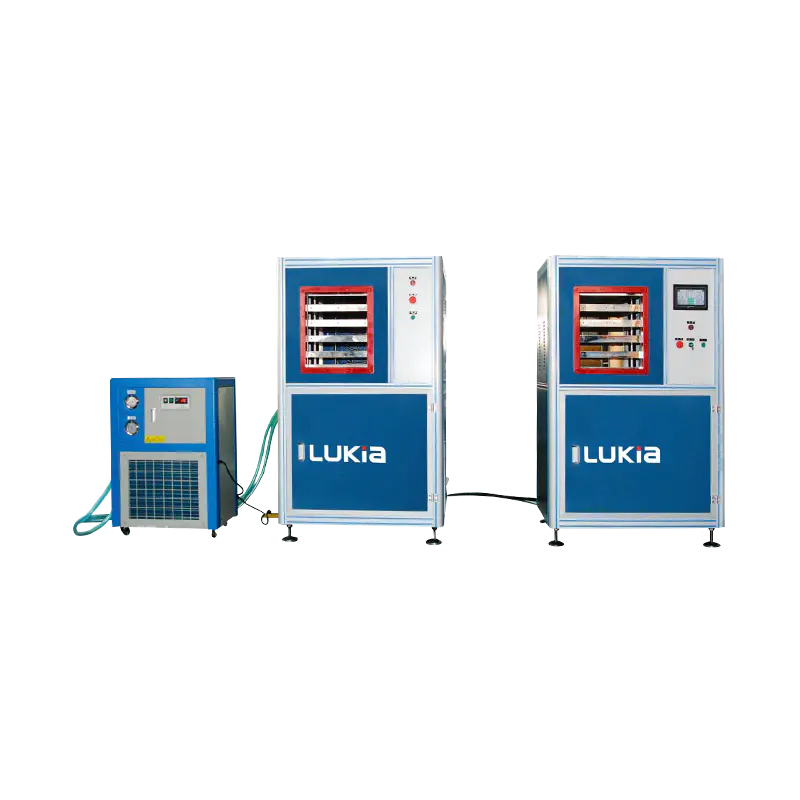
Different card products can require different combinations of materials and processing steps. PVC cards, personalized cards, IC cards, ID cards, and inlay-based cards may share some manufacturing stages while requiring different processing parameters.
Hengtong's equipment range reflects this variety, covering laminating machines, card punching machines, consumables, and auxiliary equipment for card production. This structure allows equipment selection to begin with the card type and production requirements rather than assuming that one configuration fits every application.
For a Card Making Production Line, the first consideration is therefore how each processing stage connects to the next. Sheet dimensions, card layout, material thickness, and required output all influence equipment configuration.
Lamination Connects Card Layers
Lamination is a key stage when multiple plastic layers, overlays, or inlays need to be combined into a finished card sheet. The process involves controlled heating and pressure, followed by cooling, with the exact requirements depending on the card structure and material combination.
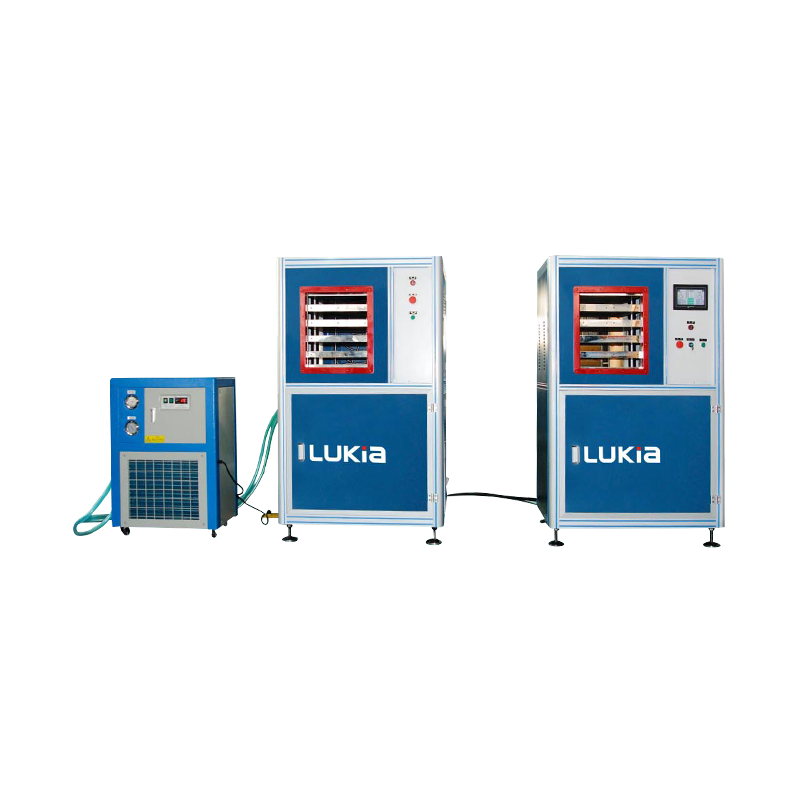
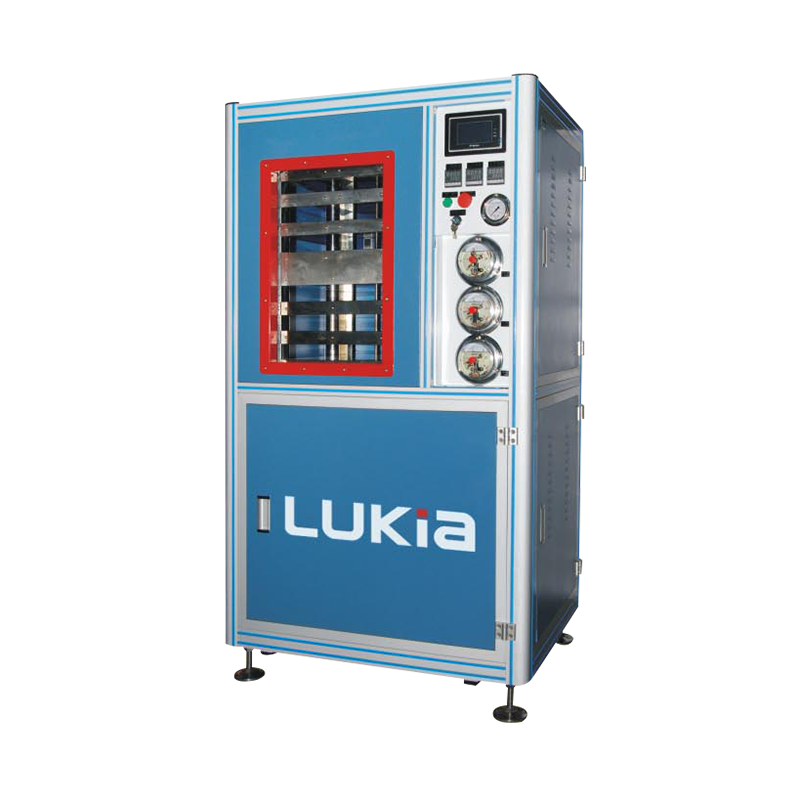
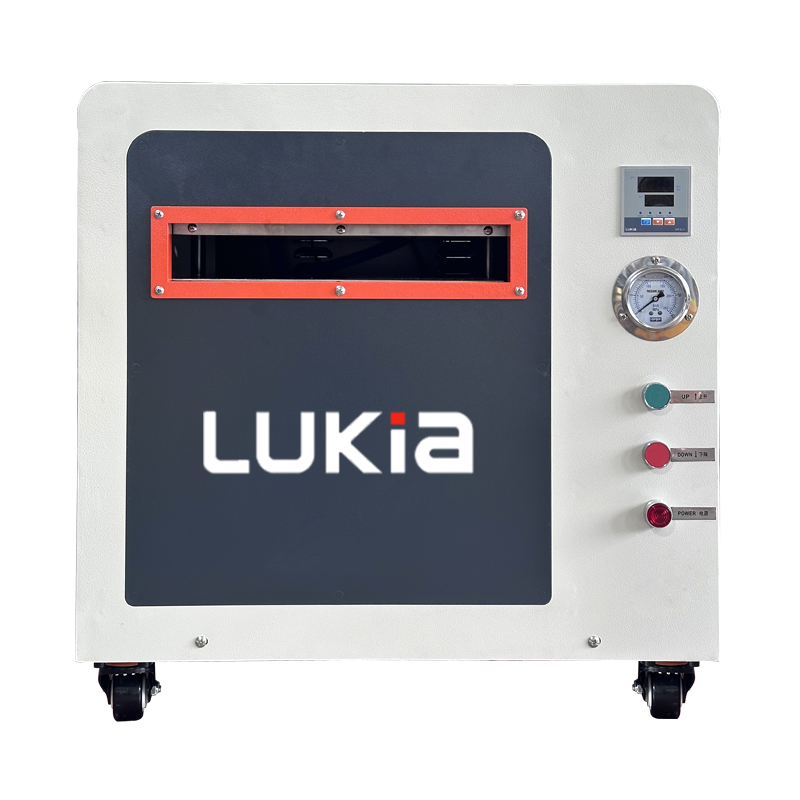
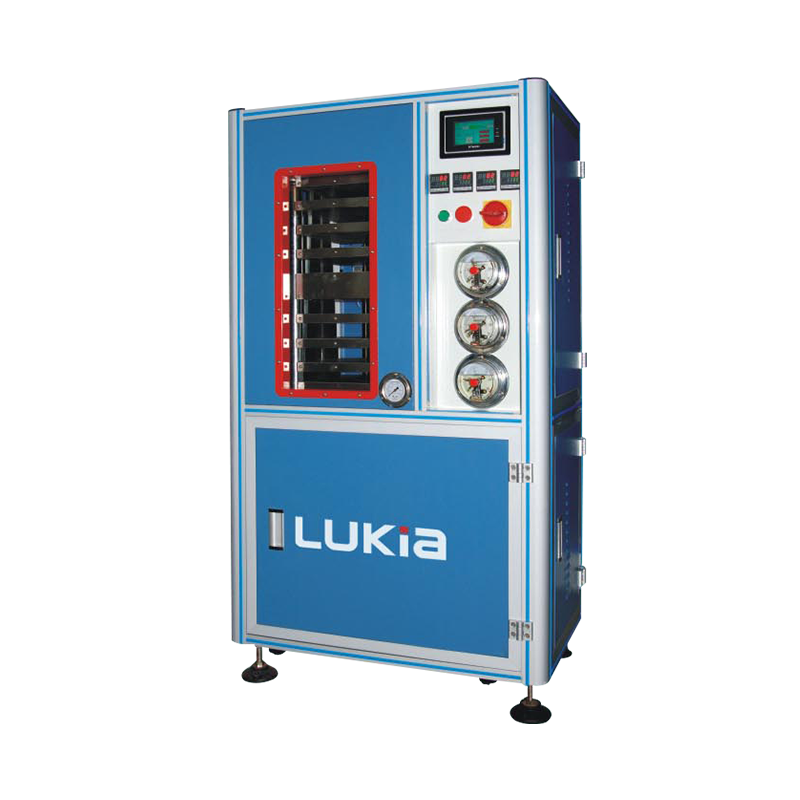
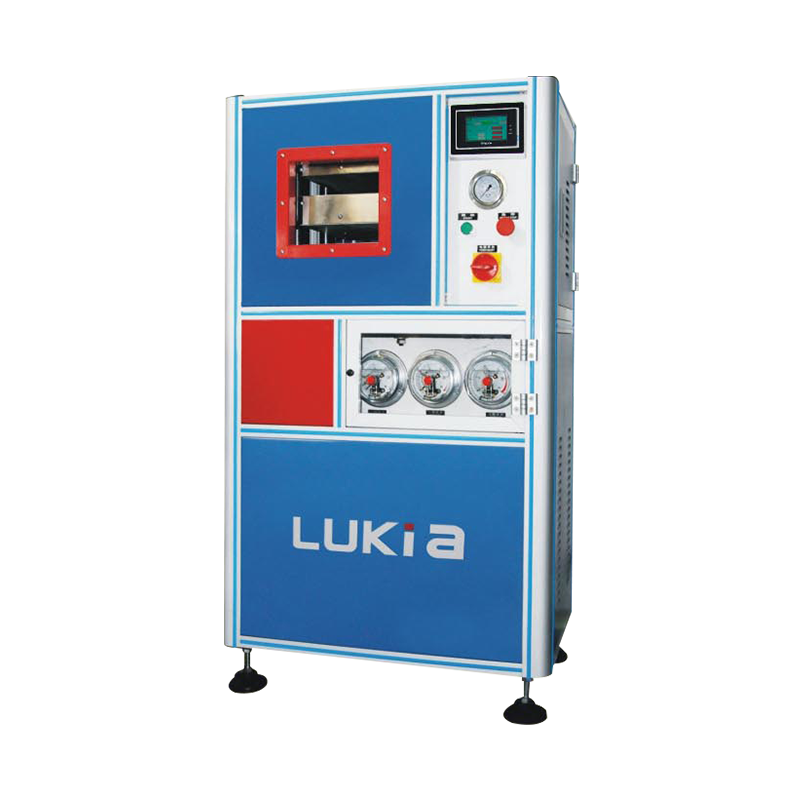
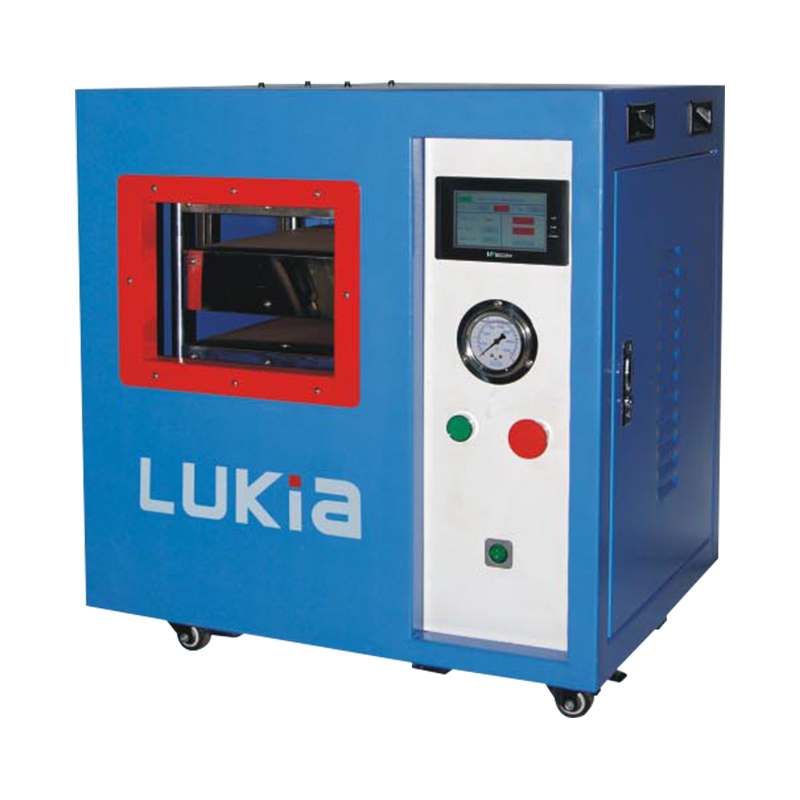
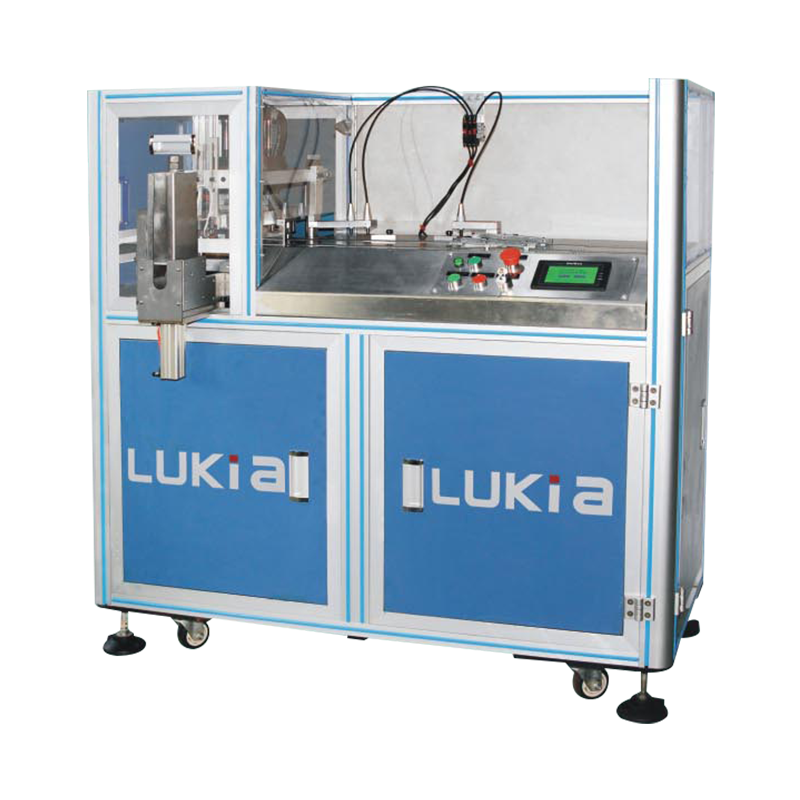
Equipment designed for this stage can vary considerably in scale. Hengtong's HT-C-6-A4, for example, uses PLC control, hydraulic pressure, PID heating, and water cooling, while supporting production of personalized, smart IC, ID, and inlay cards.
In larger production environments, the relationship between lamination capacity and the following punching stage becomes particularly important. If one process can handle substantially more material than the next, the difference can create waiting time between stages.
Punching Determines the Finished Format
After lamination, the larger sheet or laminated material needs to be converted into individual cards. Punching equipment separates the cards according to the required dimensions and shape.
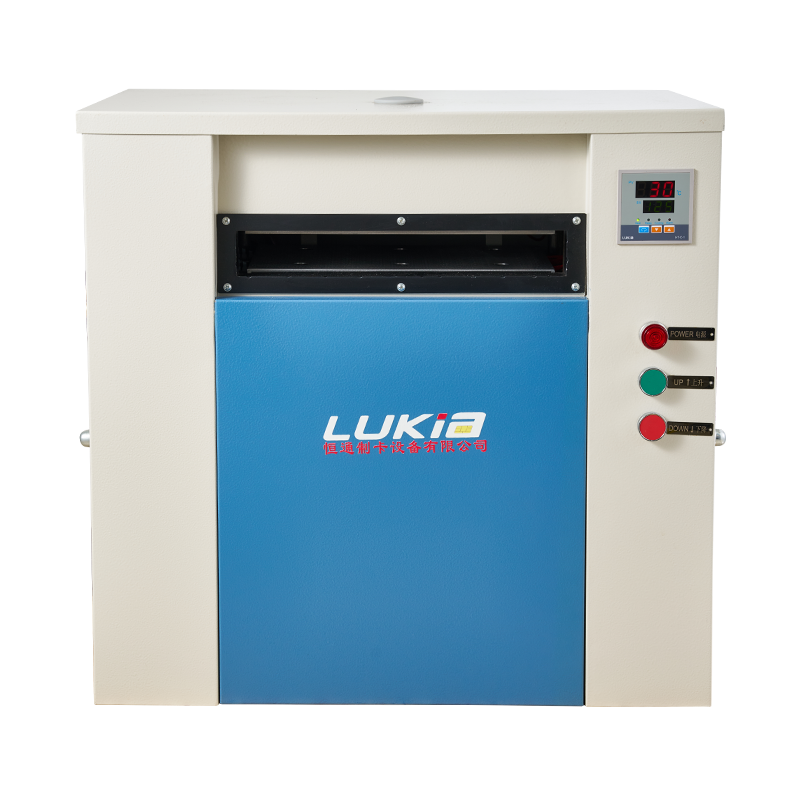
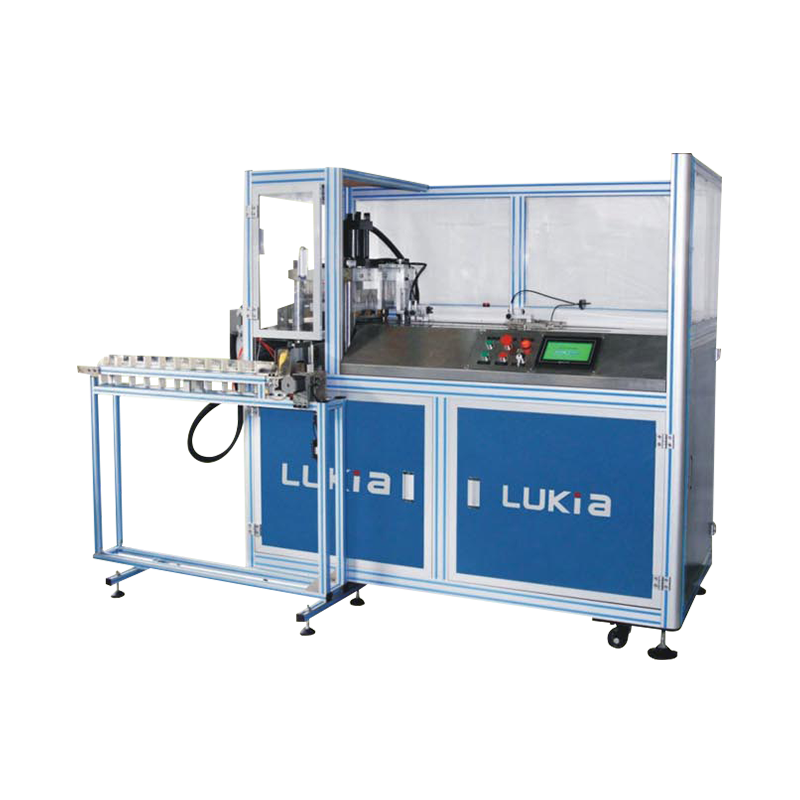
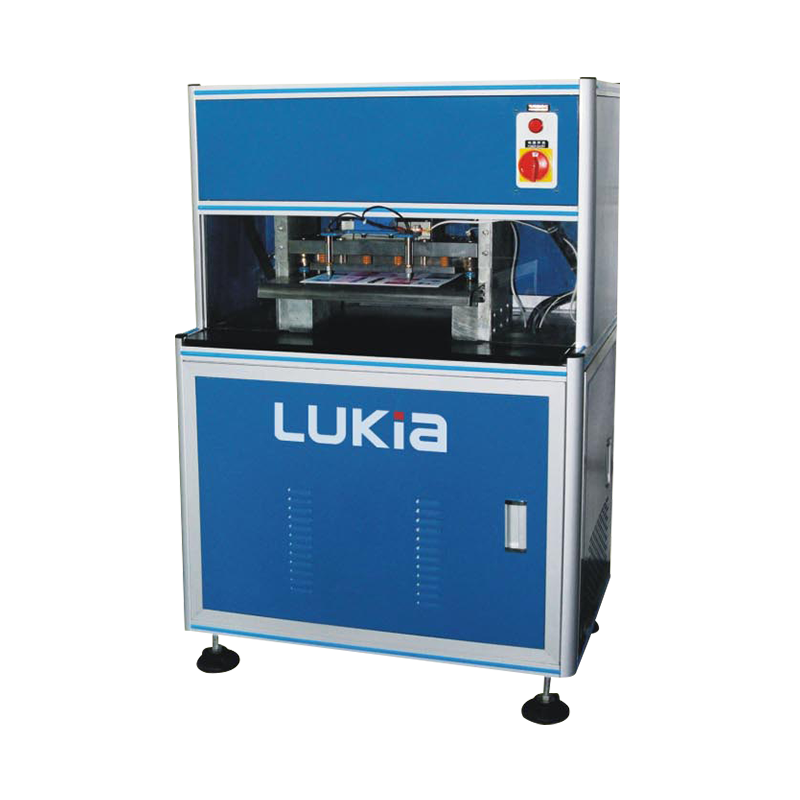
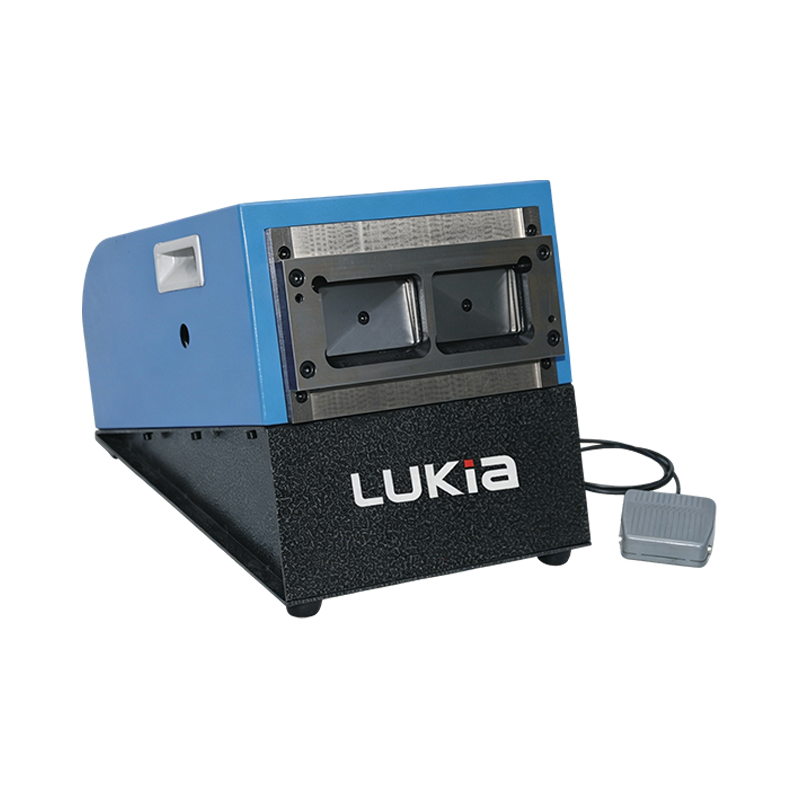
For a Card Making Production Line, punching capacity therefore needs to correspond with the upstream sheet format and production volume. Hengtong's HT-306, for example, is designed for laminated PVC material with punching thickness from 0.4 mm to 1.5 mm and supports standard 85.6 × 53.9 mm cards as well as customized sizes.
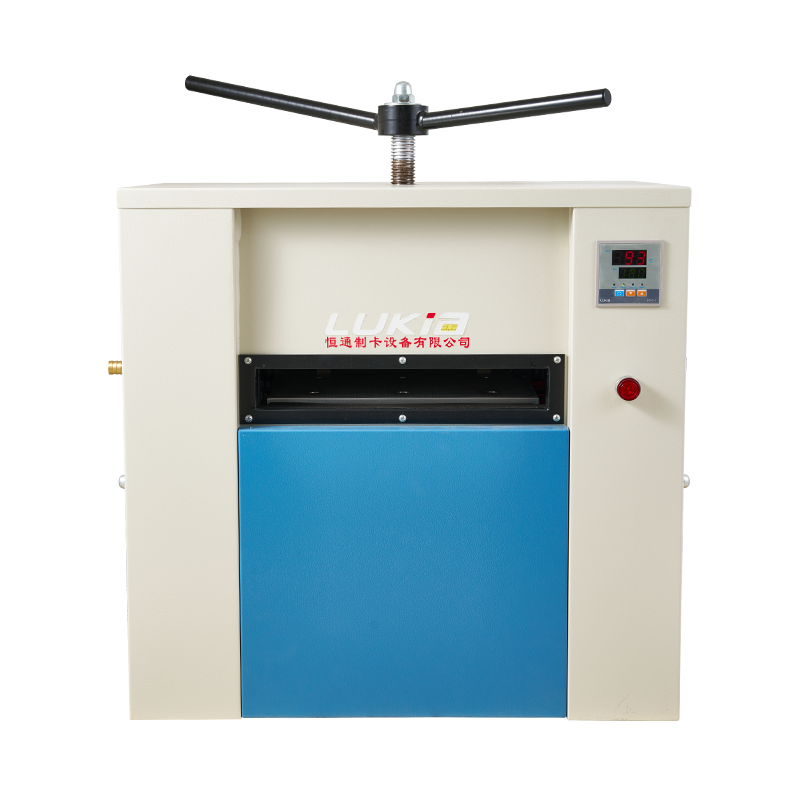
Different production scales can also require different machine configurations. A tabletop electric puncher is positioned for offices and small shops, while other punching systems are designed for higher-volume card production.
Capacity Is More Than Machine Speed
A production line's practical output cannot always be determined by looking at the speed of one machine. Lamination cycle time, sheet loading, cooling, punching capacity, material handling, and inspection can all influence the overall workflow.
For example, Hengtong's HT-C-5S1 is designed around industrial lamination and provides separate heating, cooling, and pressure control circuits. A larger HT-C-5W2-A3 configuration can process A3-format sheets with an ISO CR-80 25-up layout and output up to 1,200 cards per cycle.
These differences illustrate why B2B buyers need to evaluate production capacity at the line level. A machine with a high nominal output may not improve the overall process if another stage becomes the limiting point.
Automation Can Reduce Process Gaps
As production volume increases, automation can help coordinate operating parameters and reduce unnecessary manual intervention between stages. PLC control, touchscreen interfaces, automated heating and cooling, and hydraulic pressure systems are examples of technologies used in modern card-processing equipment.
However, the appropriate level of automation depends on the production environment. A small card producer may benefit from compact equipment with manual loading, while a larger facility may require higher-capacity machines and more structured material handling.
Designing Around the Complete Workflow
A Card Making Production Line should ultimately be designed around the complete card-making sequence rather than individual equipment specifications. Card material, sheet size, card dimensions, required output, lamination method, punching configuration, and operator involvement all need to be considered together.
This approach also leaves room for production expansion. A manufacturer may begin with a smaller configuration and later introduce higher-capacity laminating or punching equipment as output requirements change. The key is maintaining compatibility between the different stages so that additional capacity improves the workflow rather than creating a new bottleneck.
The development of card production equipment is therefore moving toward better coordination between processes. Printing creates the card's visual information, lamination builds the layered structure, and punching establishes the final format. When these stages are planned as one connected system, a Card Making Production Line can be configured around the actual requirements of the card products and production environment.