

 ENG
ENG 中文简体
中文简体 Português
Lamination Becomes a More Controlled Production Stage
An automatic card laminating machine is increasingly treated as a process-control system rather than simply a heating and pressing device. In PVC card production, several layers may need to be bonded into a stable structure before the material moves to punching and finishing. The consistency of temperature, pressure, holding time, and cooling can therefore influence how efficiently the laminated sheet moves through the rest of production.
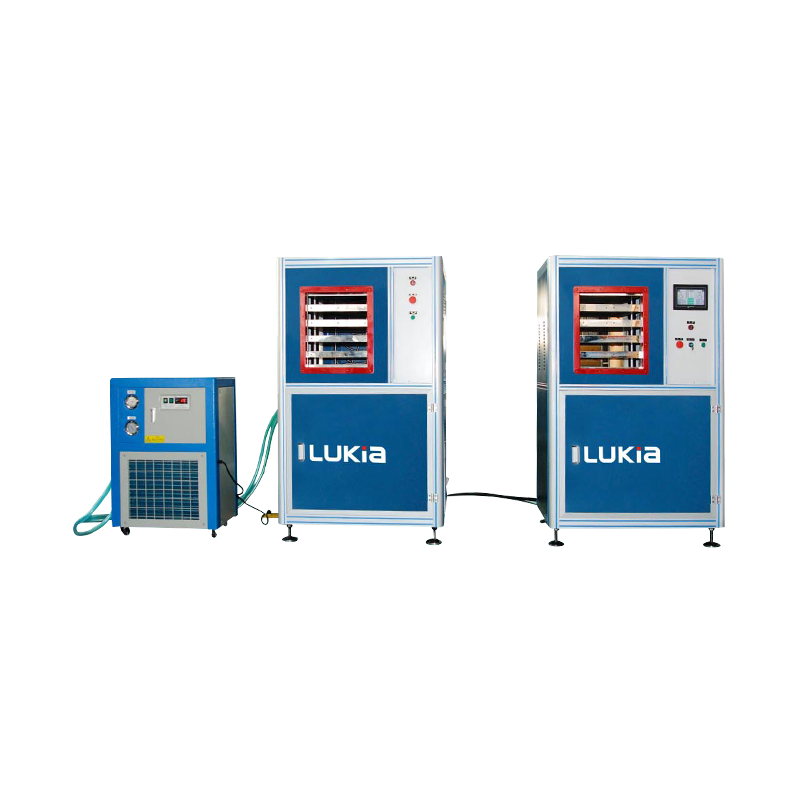
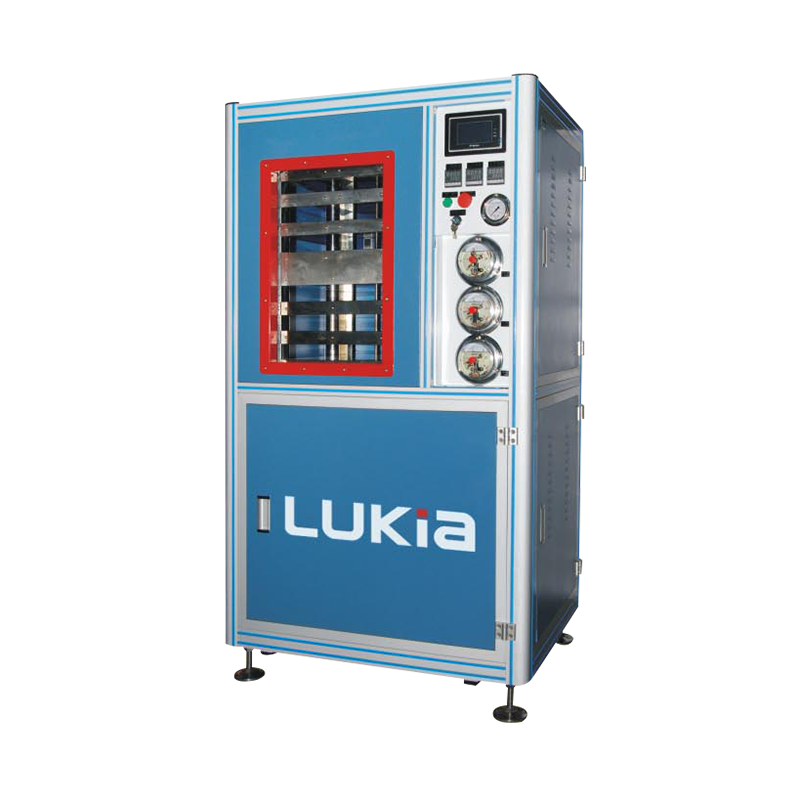
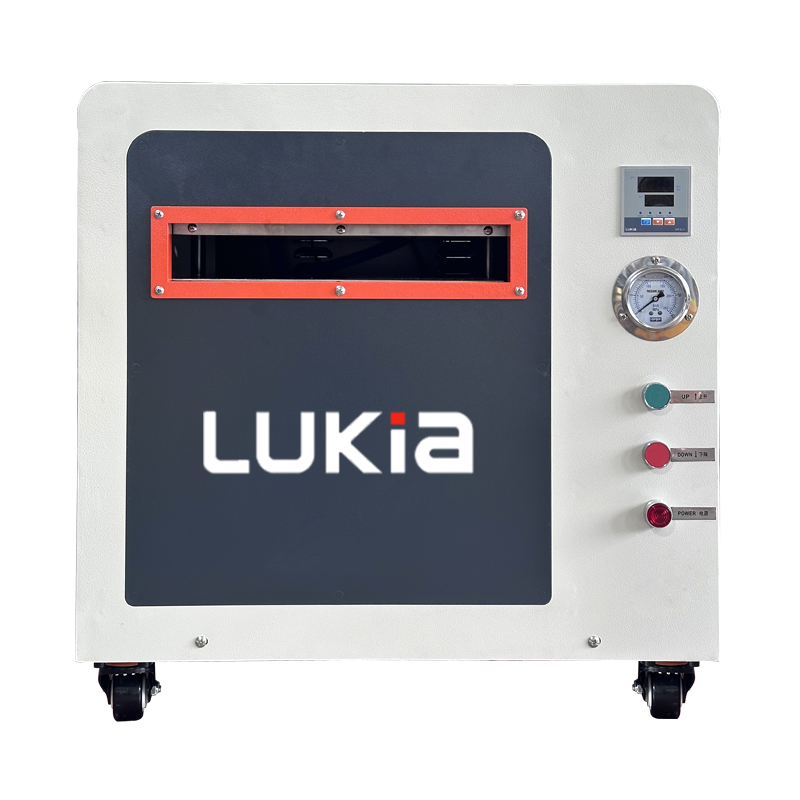
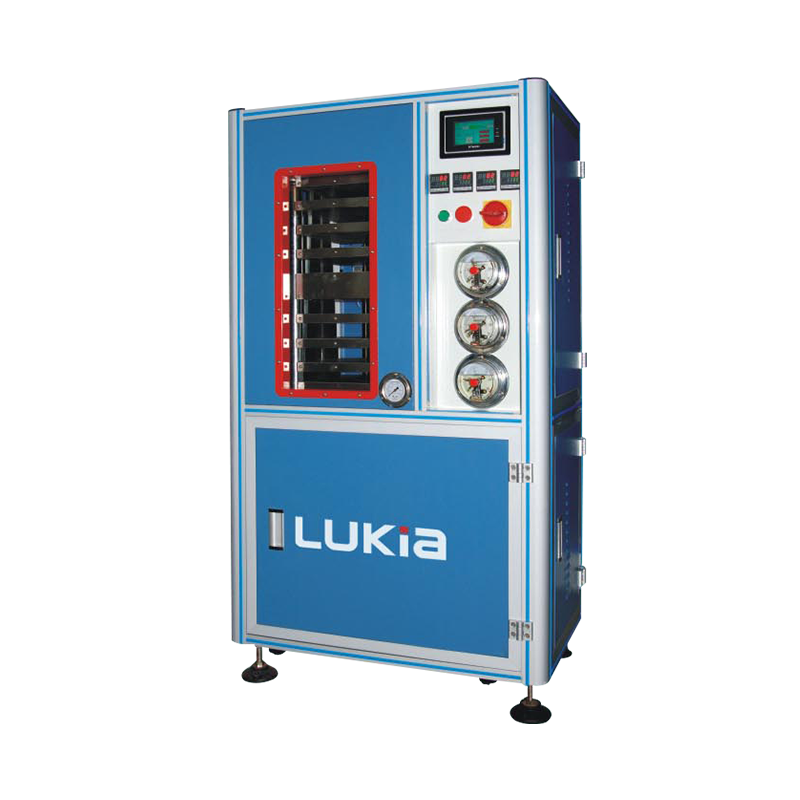
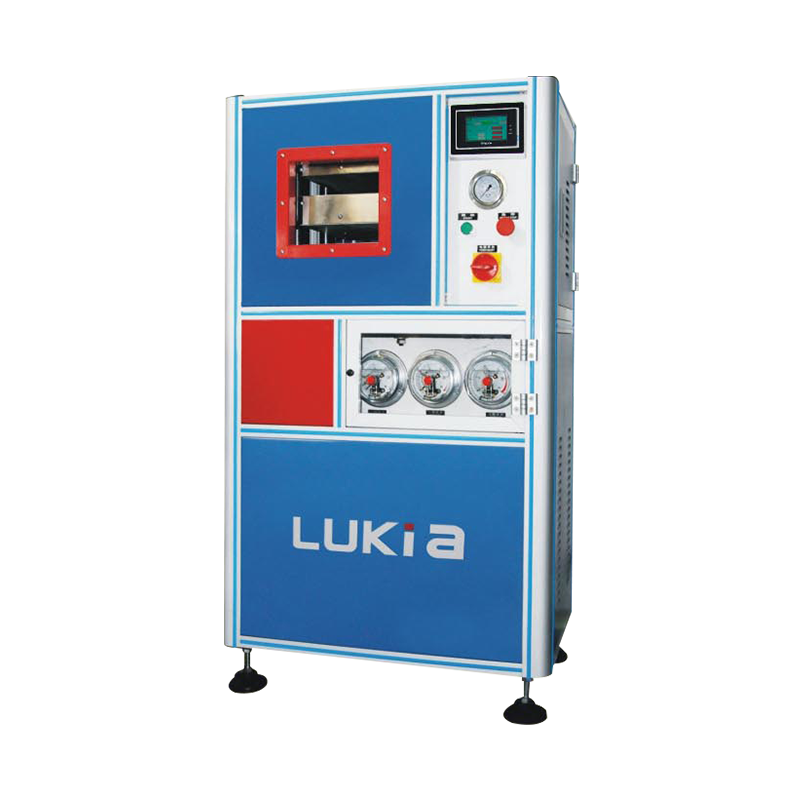
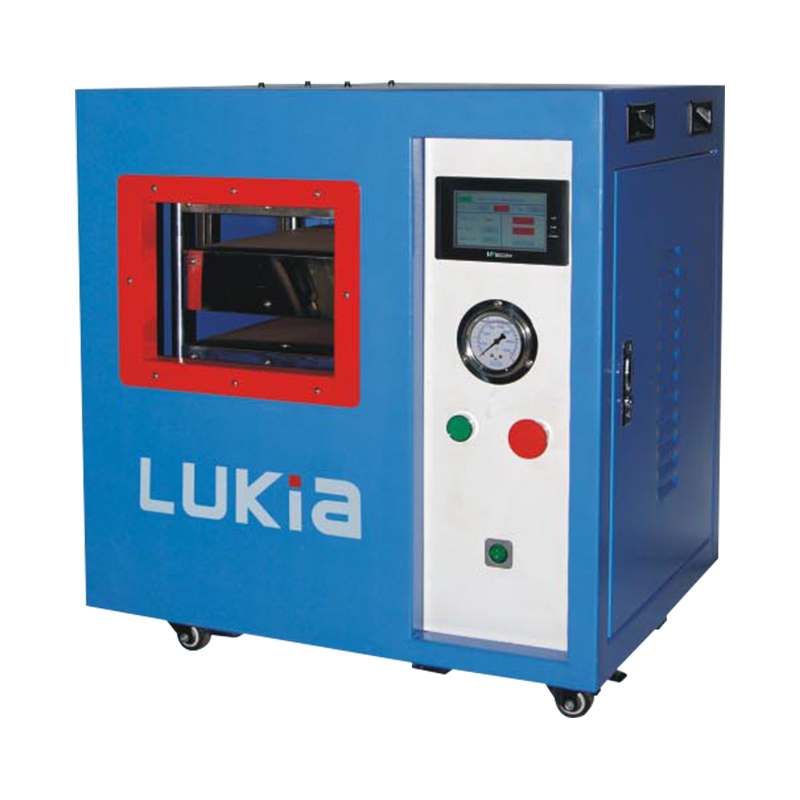
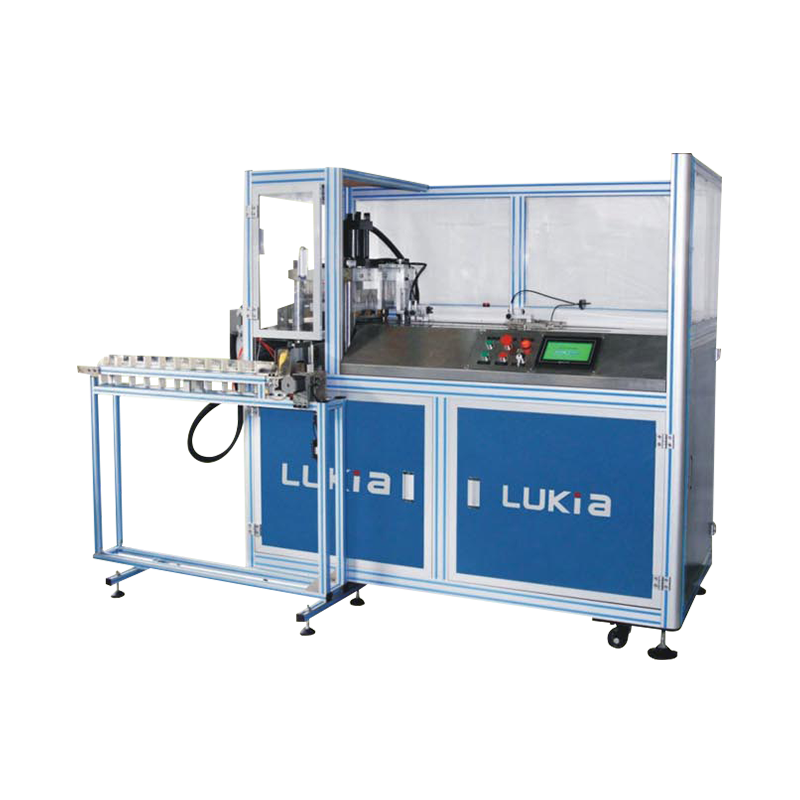
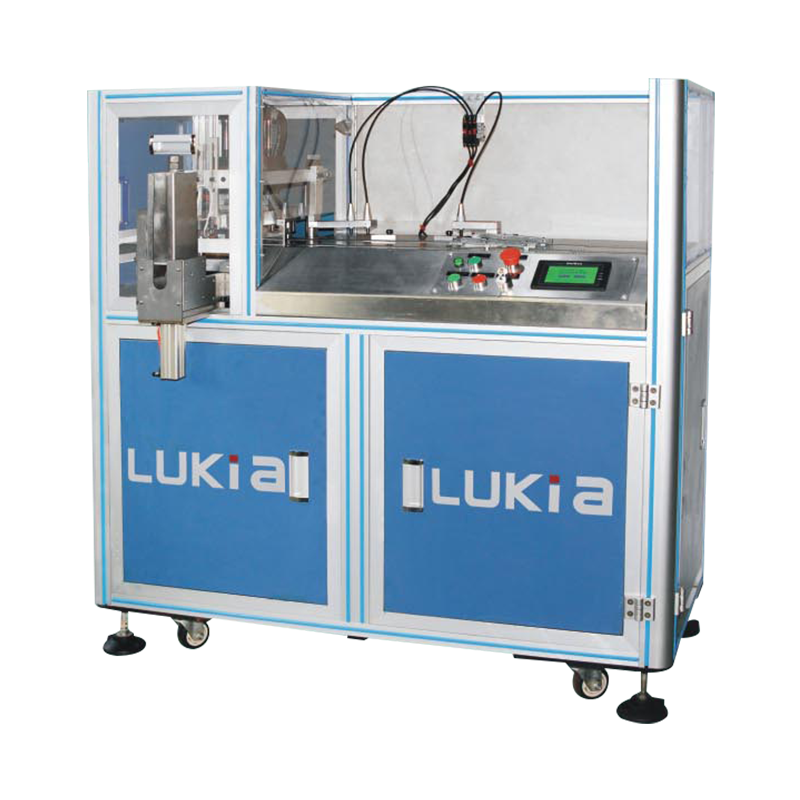
Modern card laminators combine mechanical structures with automated control systems to coordinate these parameters. Hengtong's laminating equipment portfolio includes PLC-controlled, hydraulic, PID heating, and water-cooling configurations for different smart card production requirements.
Temperature Control Influences Lamination Quality
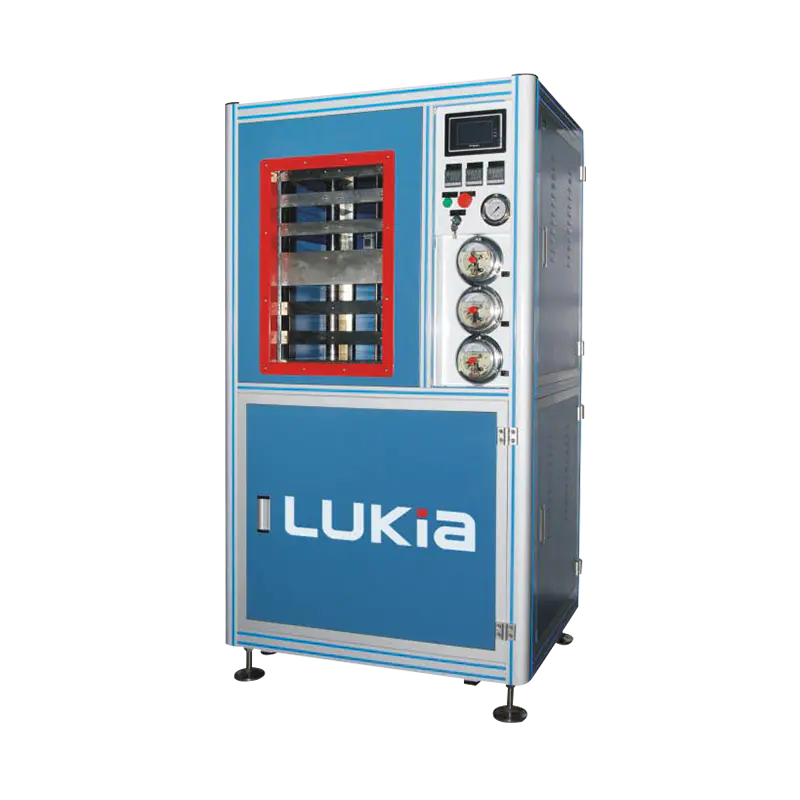
Heat is one of the central variables in plastic card lamination. The purpose is not simply to raise the material to a high temperature, but to create suitable bonding conditions across the laminated stack. Uneven heating can affect how different layers respond during pressing, while insufficient process control can make repeatability more difficult when production volumes increase.
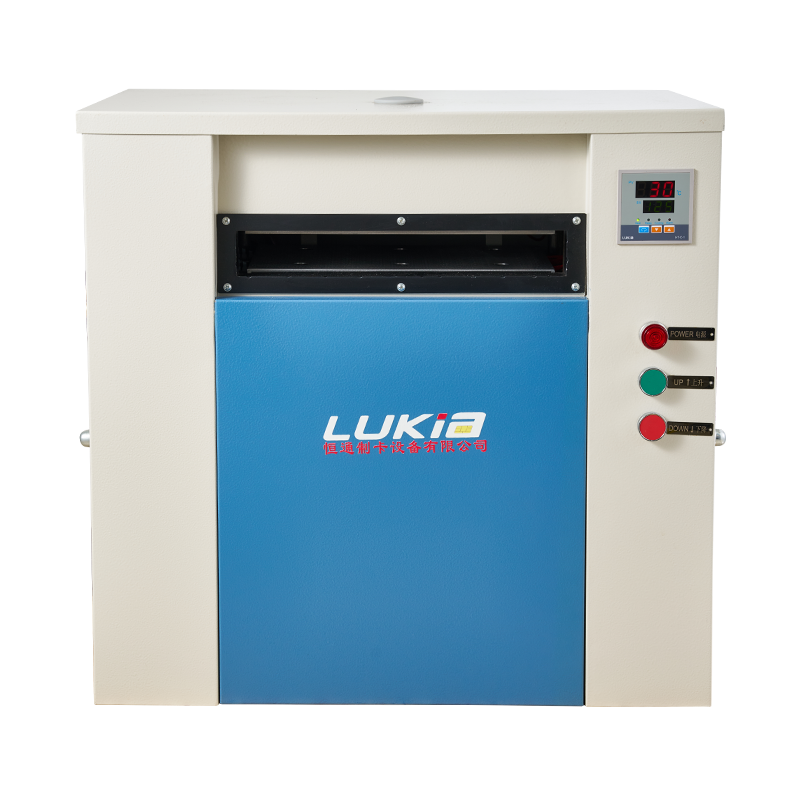
This is why an automatic card laminating machine can use controlled heating rather than relying on manual adjustment. PID temperature control, for example, can be incorporated into the equipment architecture to regulate the heating process. The appropriate temperature profile still depends on the materials, layer structure, and production requirements rather than following one universal setting.
Pressure and Cooling Work With Heating
Heating alone does not define the lamination process. Pressure must be applied across the material stack while the layers are being bonded, and cooling provides another controlled stage before the laminated sheet is handled further. Separating these functions allows production teams to consider the entire thermal cycle instead of treating lamination as a single heating operation.
Hydraulic systems are used in several industrial card laminators because they provide a controllable method of applying pressure to the laminated stack. Water-cooling configurations are also available on some machines, supporting a defined cooling stage after heating and pressing. Hengtong lists equipment using hydraulic pressure, PID heating, PLC control, and water circulation refrigeration within its card laminator range.
Card Structure Determines Equipment Requirements
Not every card production project uses the same material combination. Conventional PVC cards, contactless IC cards, RFID cards, and cards incorporating inlays can introduce different requirements for the lamination process. The equipment therefore needs to accommodate the physical format and layer construction being processed.
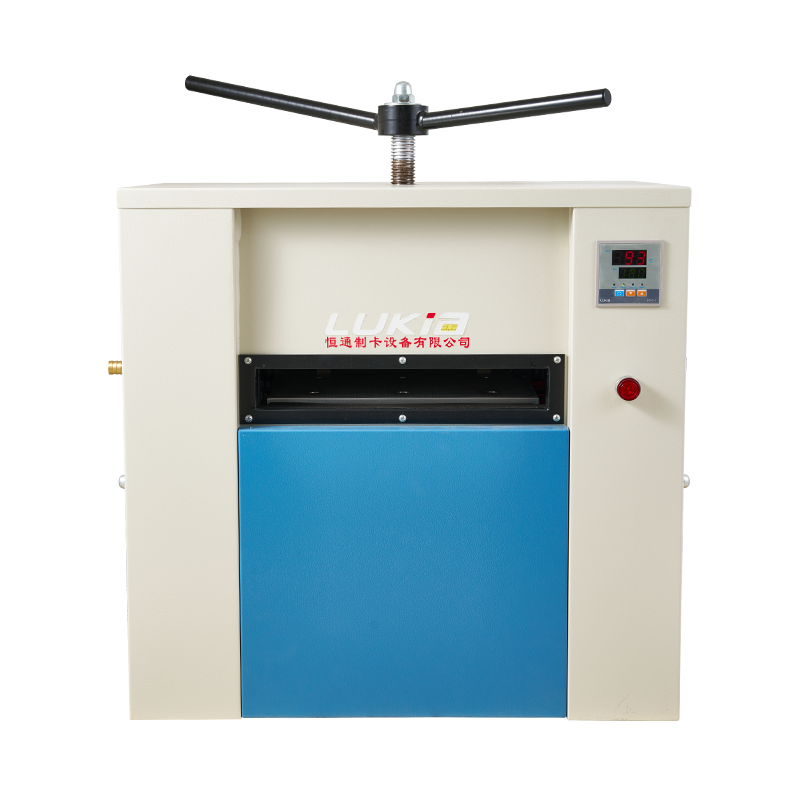
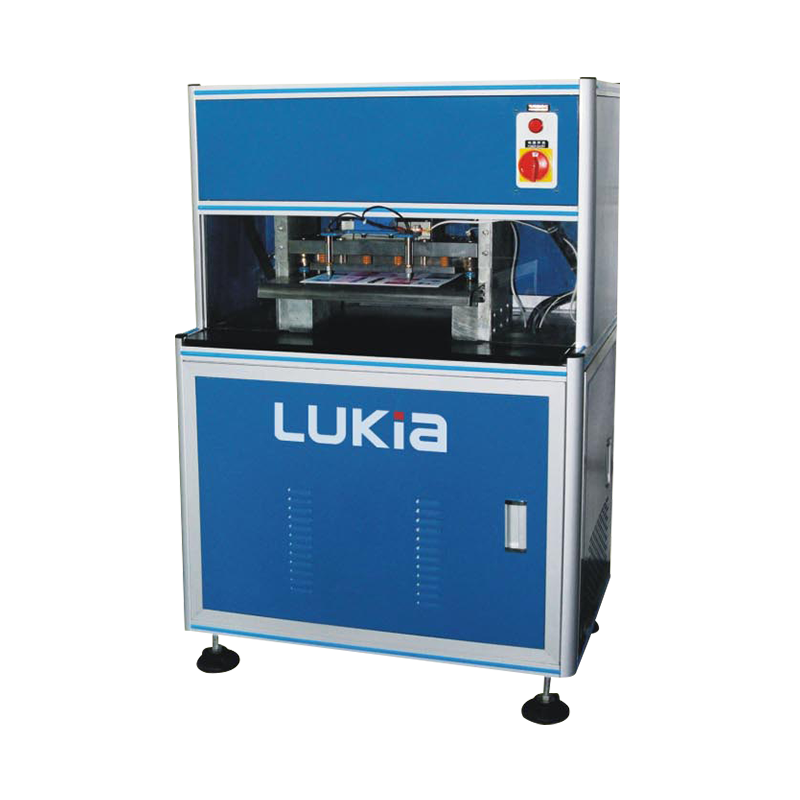
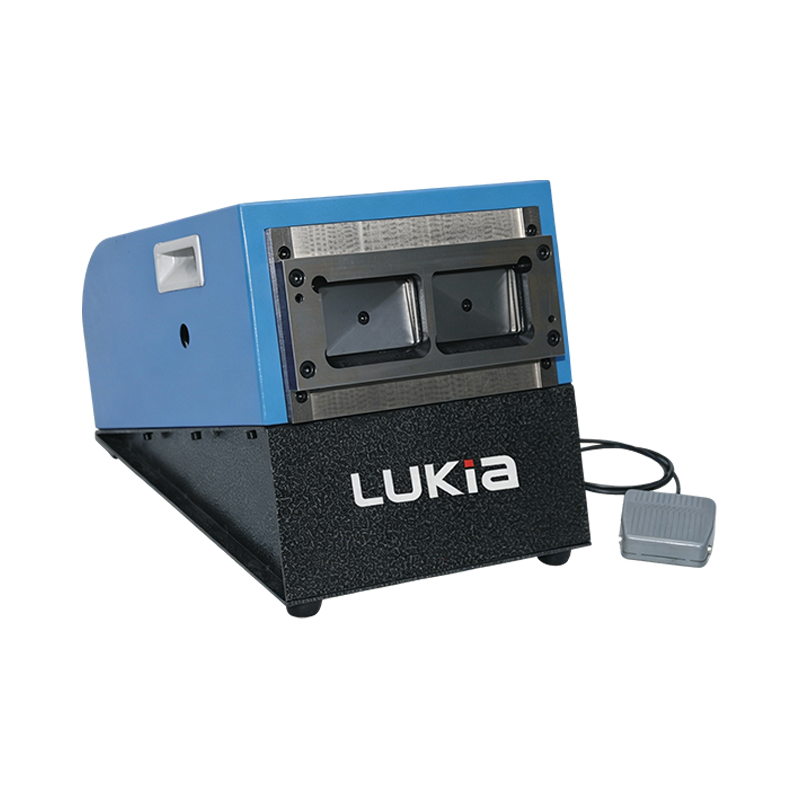
For production planning, the automatic card laminating machine should be considered together with sheet size, card layout, material thickness, and downstream punching requirements. Some industrial configurations are designed around A3 or A4 formats, while different machine structures provide different working capacities. Hengtong's product range includes both A3 and A4 laminating configurations as well as manual and automated models.
Automation Connects Lamination With Production Flow
Automation also changes how lamination fits into a broader card-making process. PLC control and touchscreen interfaces can centralize operating parameters, reducing the need for operators to manage every stage independently. This becomes more relevant when lamination is positioned between printing, sheet preparation, punching, and inspection.
The value of automation is therefore not limited to labor reduction. Consistent process settings can make production easier to organize when the same card structure is processed repeatedly. For manufacturers handling multiple card formats, programmable control can also provide a more practical way to manage changes between production runs.
Equipment Selection Moves Beyond Machine Speed
Production capacity is another consideration, but machine speed alone does not determine whether a laminator fits a card manufacturing line. Working format, number of openings, heating and cooling configuration, pressure system, control architecture, and compatibility with the intended card structure all affect the practical role of the equipment.
An automatic card laminating machine is consequently becoming one component within a coordinated manufacturing system. When its thermal, pressure, cooling, and automation functions are matched with upstream printing and downstream punching processes, lamination can be managed as a repeatable production stage rather than an isolated operation. This process-oriented approach gives card manufacturers more variables to evaluate when developing or upgrading production lines.