

 ENG
ENG 中文简体
中文简体 Português
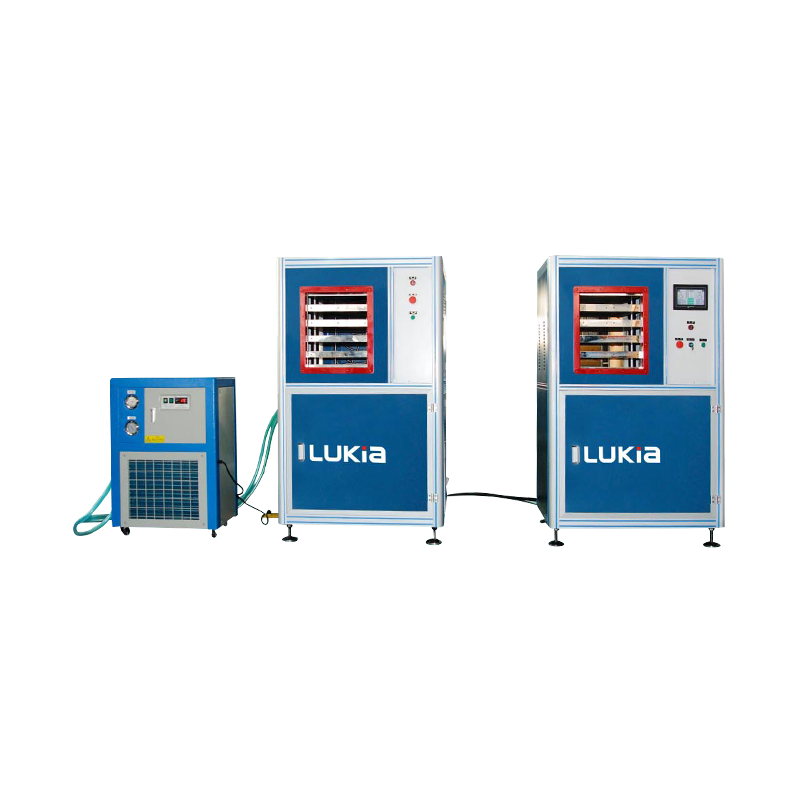
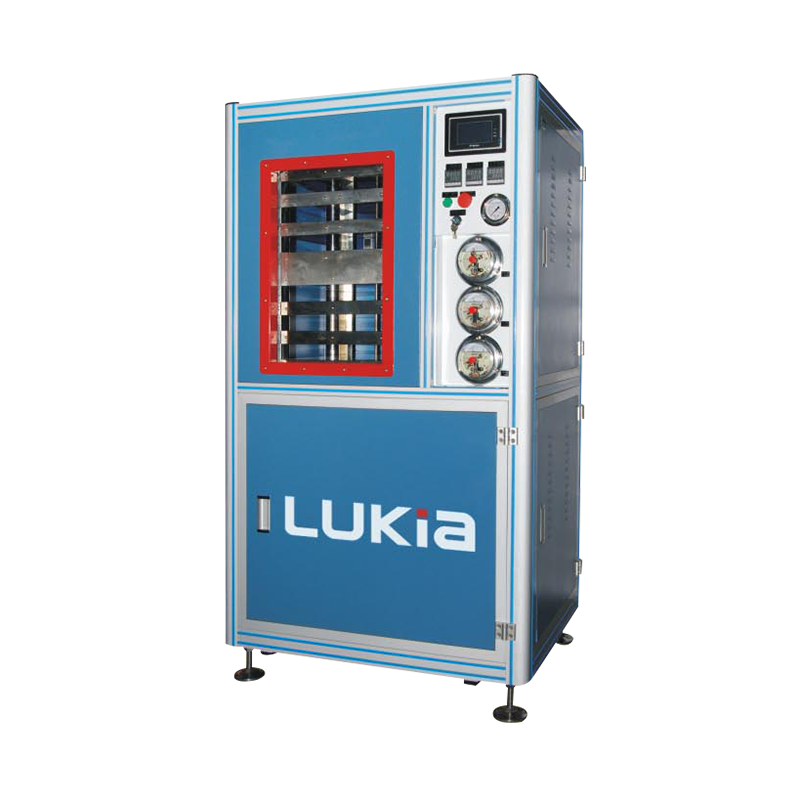
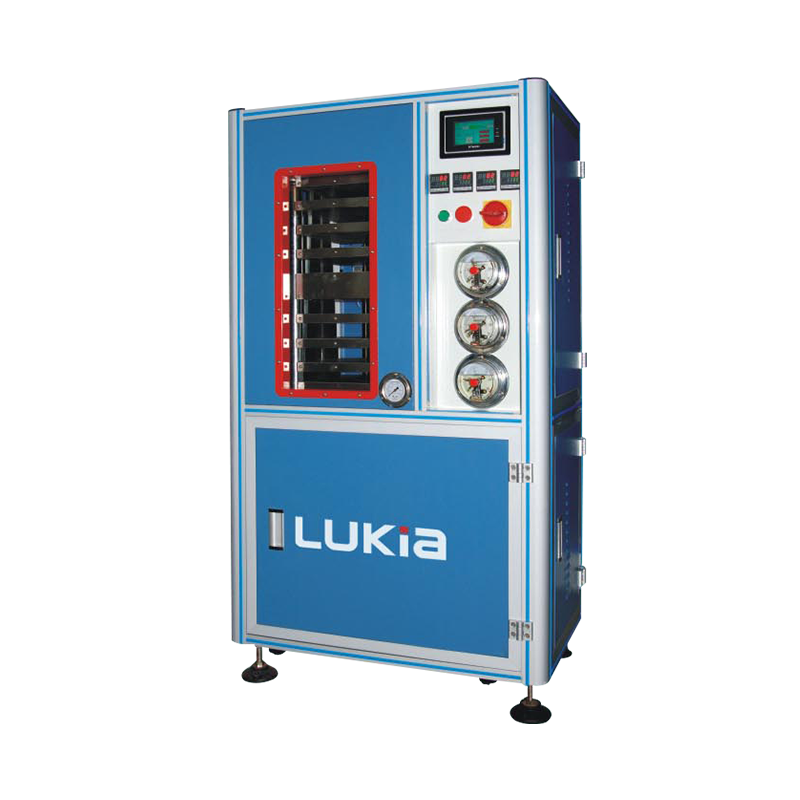
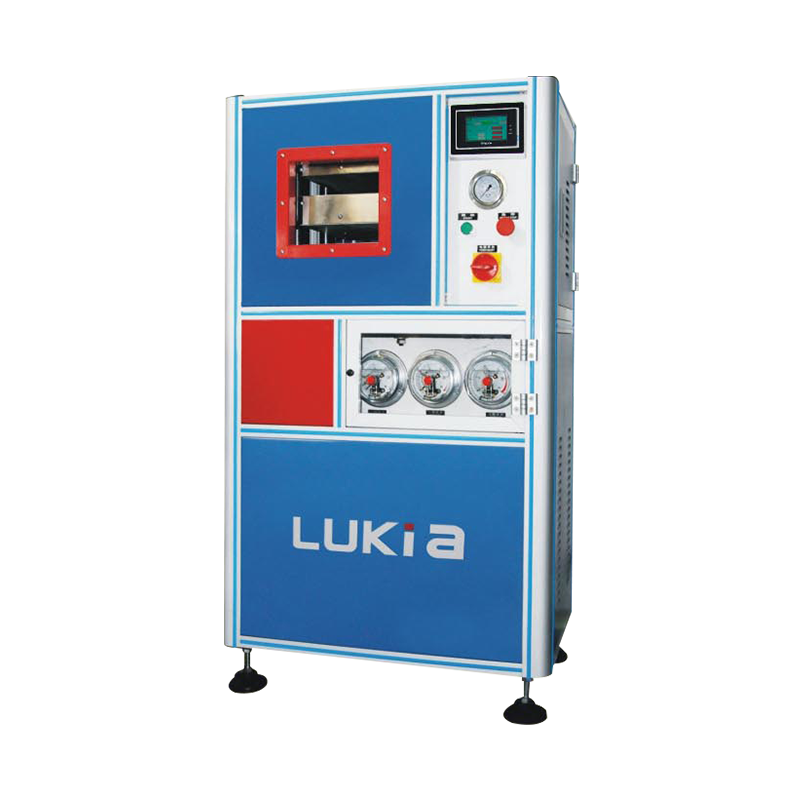
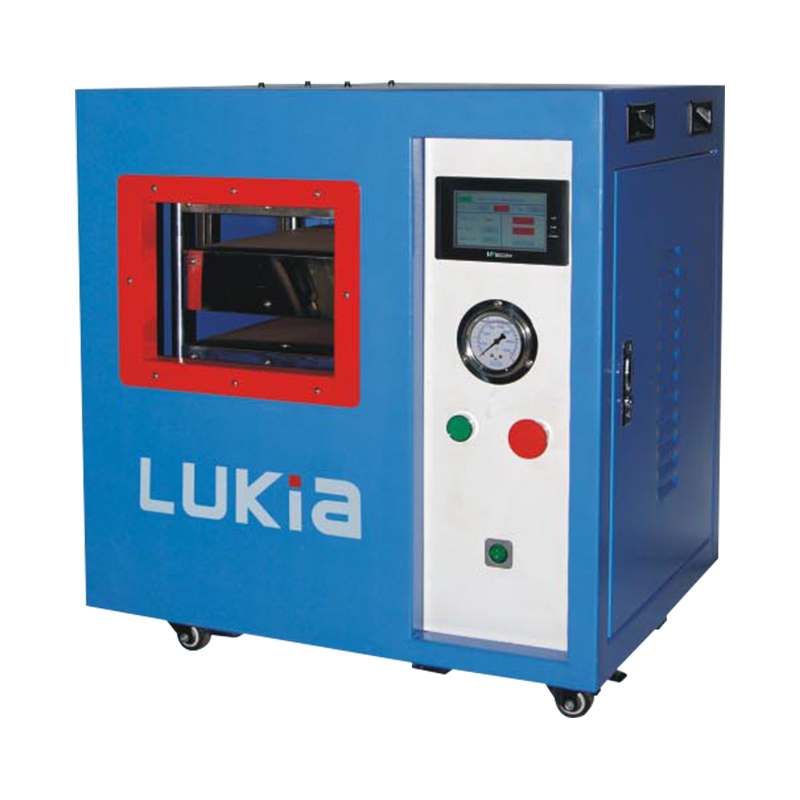
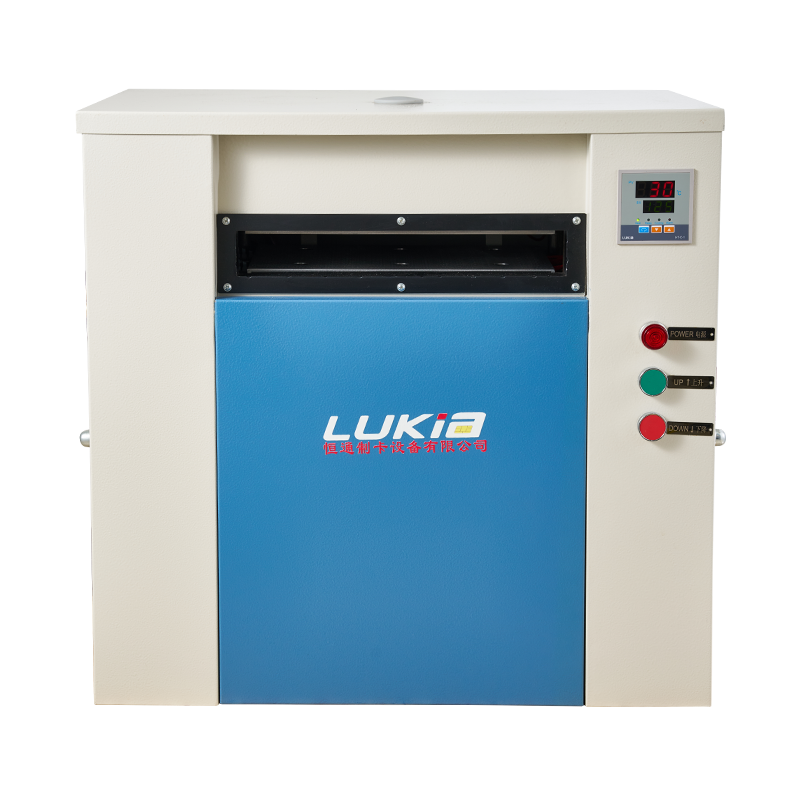
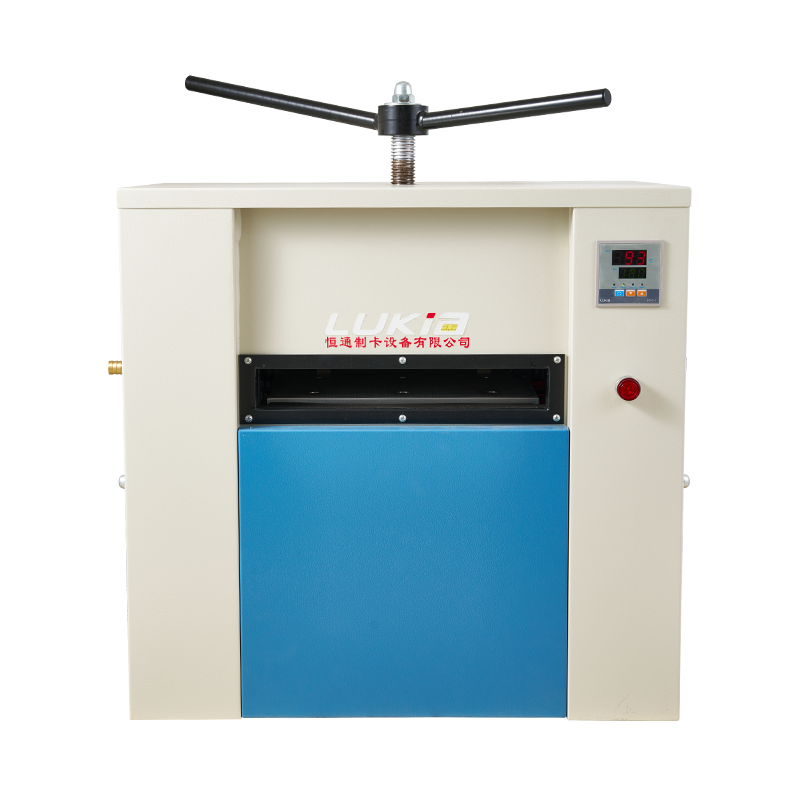
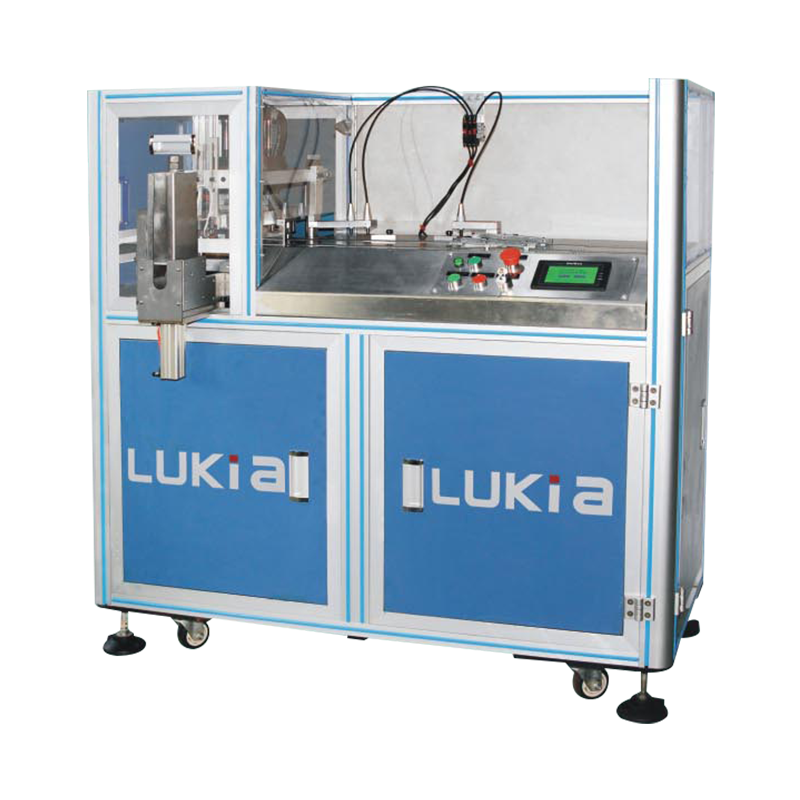
An identification card may look like a simple plastic card, but its production can involve several layers, printed information, protective surfaces, and finishing operations. The quality of the final card depends on how consistently these elements are combined. This is where a PVC ID Card Machine becomes part of the manufacturing process, helping convert prepared PVC materials into cards with controlled dimensions and repeatable results.
The growing variety of identification cards has also changed production requirements. Employee IDs, student cards, membership cards, access cards, and other credentials may share a similar card format while requiring different printing, security, or finishing treatments. Equipment therefore needs to support consistency without limiting production flexibility.
PVC Cards Are Built In Layers
Many PVC cards are produced from multiple sheets or layers rather than from one solid piece of plastic. Printed layers, core materials, and protective films may be combined before the finished sheet is separated into individual cards.
This layered construction creates several points where production accuracy matters. If the layers are not properly positioned, the printed design may not align correctly with the final card edges. Uneven material handling can also create difficulties during later cutting or finishing.
A PVC ID Card Machine used within this type of production environment needs to work with the physical characteristics of the prepared card material while maintaining consistent positioning from one operation to the next.
Card Dimensions Require Controlled Processing
Identification cards are commonly produced in standardized formats, making dimensional consistency an important part of manufacturing. Even relatively small differences can become noticeable when cards are used with holders, readers, wallets, or other equipment.
The production process therefore has to maintain control over length, width, thickness, and edge condition. When laminated sheets are punched or cut into individual cards, the relationship between the cutting tool and the prepared material becomes especially important.
For manufacturers, this means card-making equipment cannot be evaluated only by its operating speed. Repeatability and compatibility with the intended card structure are equally relevant.
Printed Layers Must Survive Later Operations
Printing is usually completed before several finishing stages, which means the printed surface has to remain properly positioned and protected as the card moves through production.
A printed PVC sheet may later undergo lamination, cutting, punching, or other processing. Each stage can affect the physical material in a different way. Heat, pressure, movement, and mechanical handling therefore need to be considered as part of the complete manufacturing sequence.
This is one reason card production equipment is normally selected as part of a broader process rather than as an isolated machine.
Different Card Types Create Different Requirements
Not every PVC identification card has the same construction. Some cards are relatively simple, while others may include additional security elements, magnetic stripes, chips, overlays, or customized graphics.
These differences can influence the preparation and finishing stages. A production setup designed around basic identification cards may require different configurations when the product changes to a more complex card structure.
A flexible PVC ID Card Machine can therefore be useful in manufacturing environments where product specifications change between orders. The actual suitability still depends on the material structure, card dimensions, processing method, and required production volume.
Punching And Finishing Affect The Final Shape
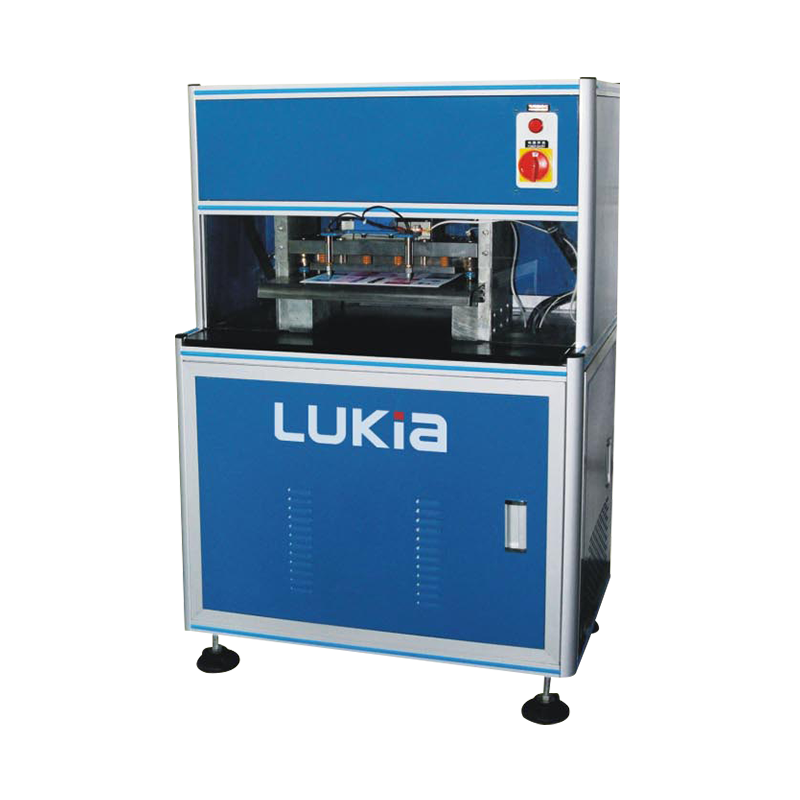
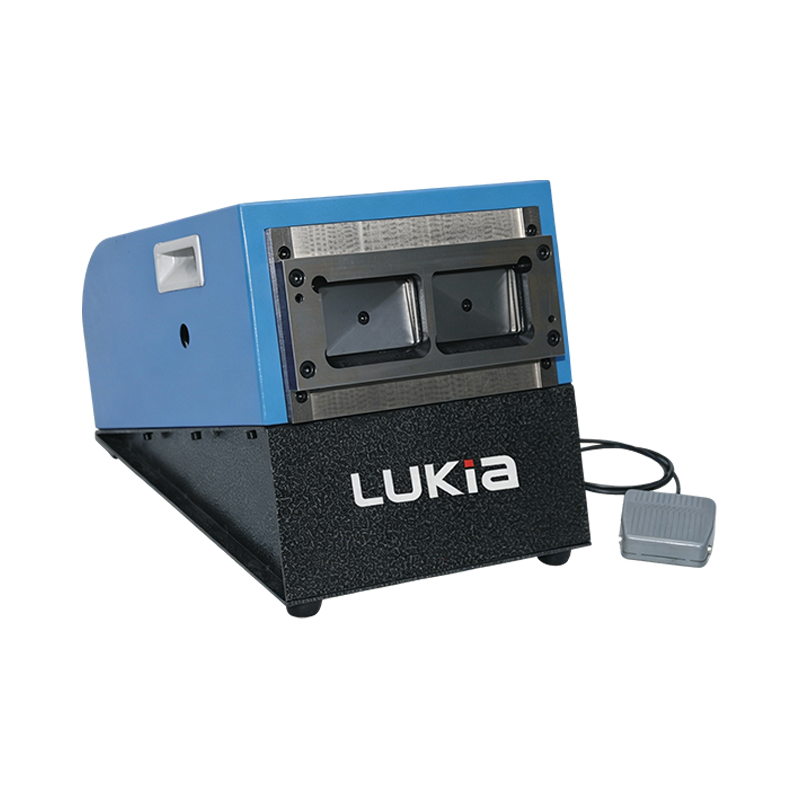
After the card layers have been prepared and processed, the large laminated sheet may need to be separated into individual cards. Punching or die-cutting determines the final outline and edge quality.
The cutting stage is more than simply removing excess material. The position of the tool needs to correspond with the card layout, particularly when printed graphics or other elements have already been placed on the sheet.
Consistent feeding and positioning can help maintain the relationship between the printed design and the finished card shape. This becomes increasingly important when large numbers of cards are produced from repeated sheet layouts.
Production Volume Influences Equipment Choices
A company producing cards for occasional internal use may have very different equipment requirements from a manufacturer supplying large quantities to multiple markets.
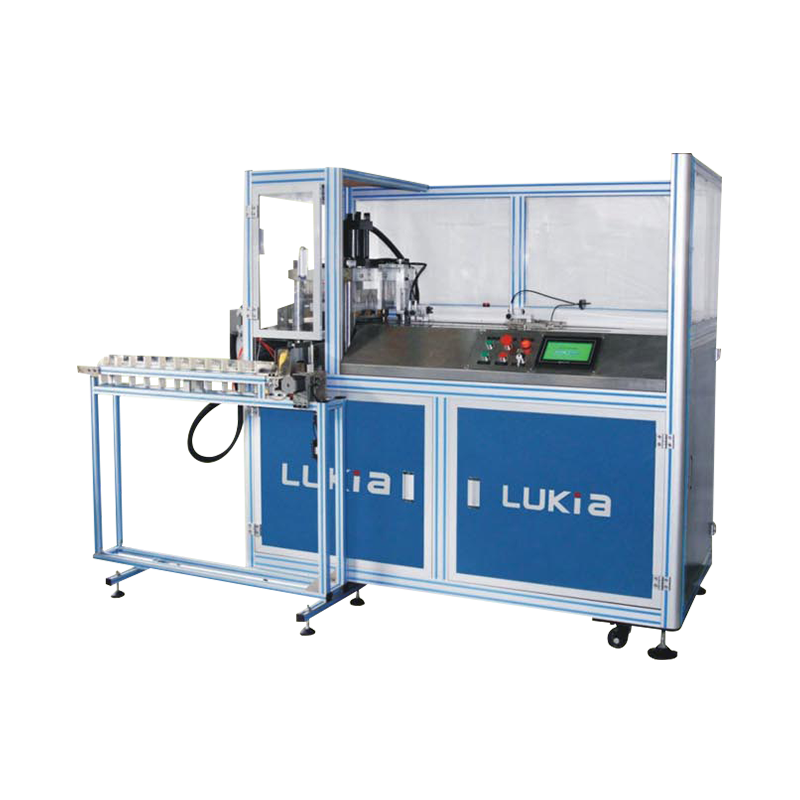
Lower-volume operations may place greater emphasis on flexibility and straightforward operation, while higher-volume production can require more automated material handling and more consistent cycle control.
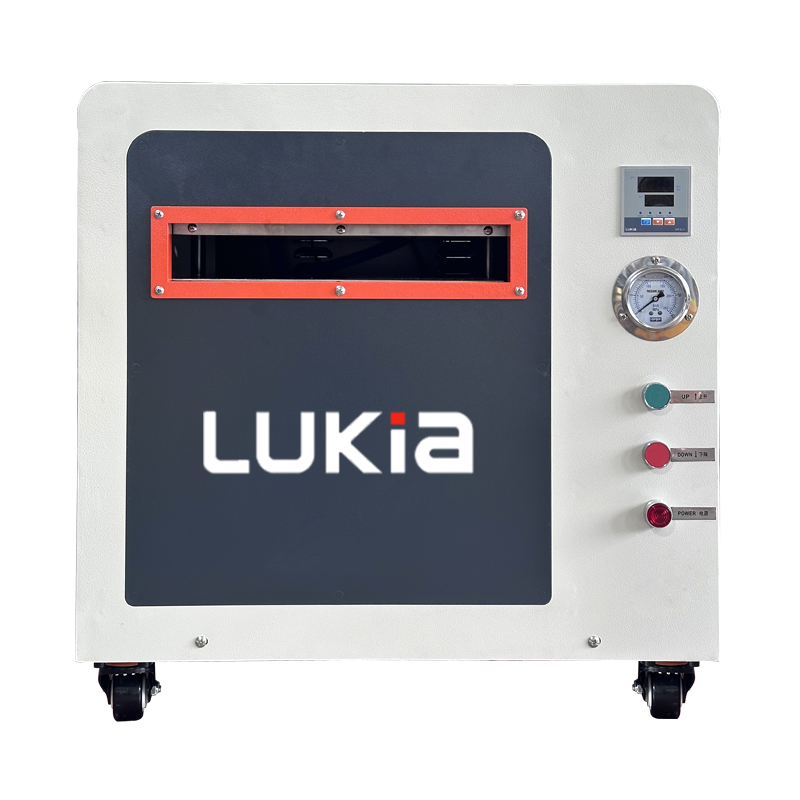
The right PVC ID Card Machine is therefore closely connected with the production model. Card type, material combination, output requirements, finishing process, and available floor space can all influence the appropriate equipment configuration.
Consistency Connects Every Stage
PVC identification card production involves more than printing personal information onto plastic. Material preparation, layer alignment, lamination, cutting, and finishing all contribute to the final result.
As card applications continue to diversify, equipment needs to accommodate this combination of standardized dimensions and customized content. A PVC ID Card Machine provides part of that manufacturing foundation by supporting controlled processing of PVC card materials and helping maintain consistency from batch to batch.
The strongest production setup is ultimately the one in which the equipment matches the card structure and the requirements of the complete manufacturing process, rather than focusing on a single operation in isolation.