

 ENG
 中文简体
 Português
PVC card auxiliary equipment handles the work that printing and lamination cannot: the hole for a lanyard, the foil logo, and the embossed member number. These compact machines sit beside the printer and laminator, and they decide whether a laminated sheet becomes a finished card.
Small card shops win or lose margin in this stage. A print run may take an afternoon, while finishing can take the rest of the week if the bench is not equipped for it, and that gap is where PVC card auxiliary equipment earns its place.
Finishing Starts Before Lamination
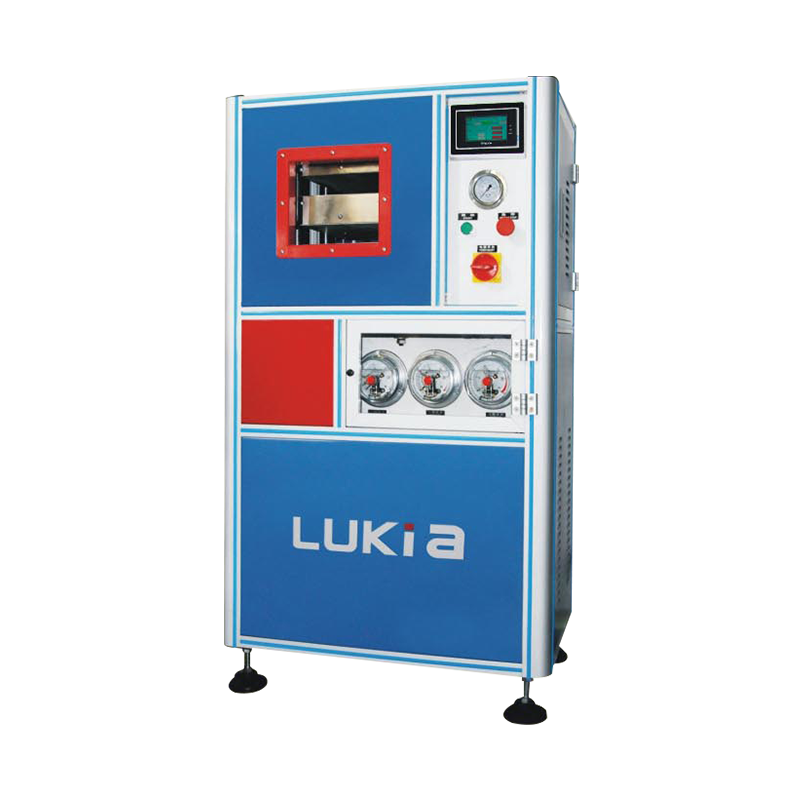
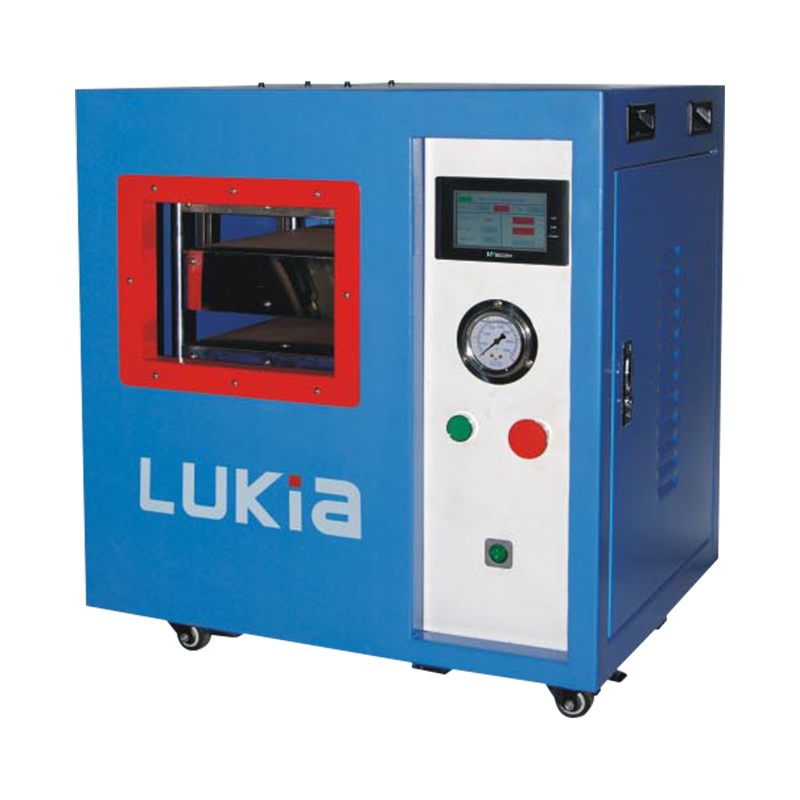
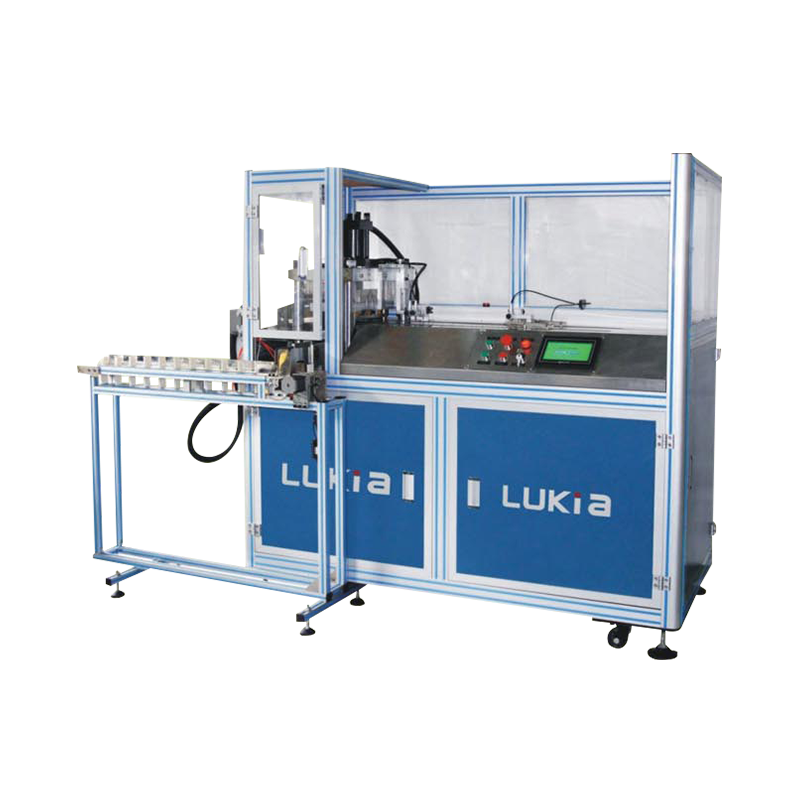
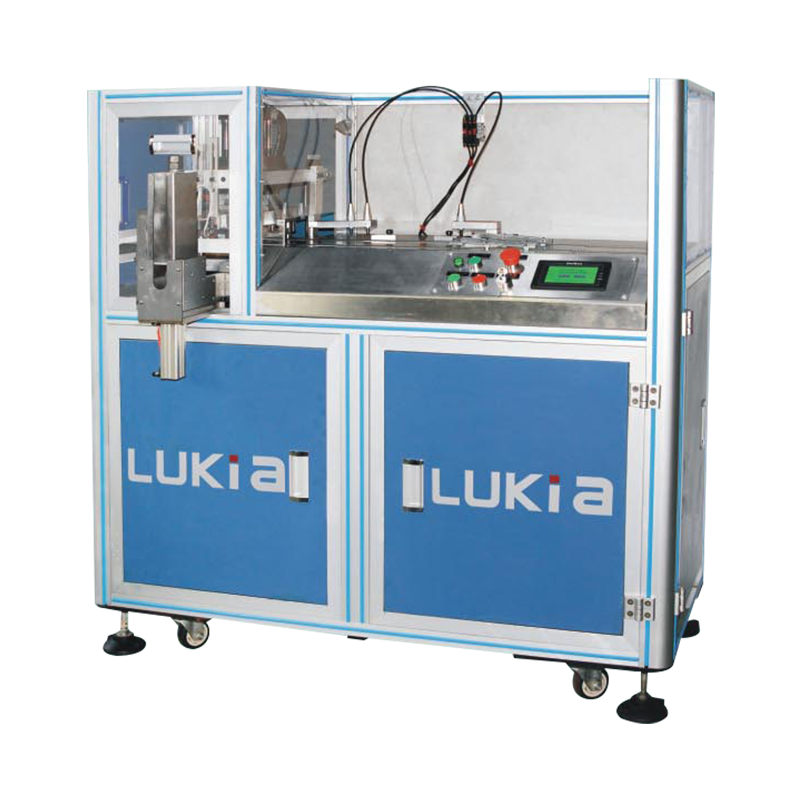
The order of operations is worth noticing. Finishing does not wait for lamination to end; it starts before it. Stacks of PVC, inlay, and overlay films slide around when loaded into a press, and a few millimeters of drift can leave an RFID inlay out of position or trap air under the surface. A spot bonding machine such as the HTSBM-1 fixes the stack at a few points beforehand. Its six heads work in three groups at 100-130°C, with bonding pressure and time adjustable, and it handles PVC, PET, PETG, ABS, and Teslin in A4, A3, or A3+ sizes at 720-900 sheets an hour. Because PVC card auxiliary equipment works on both sides of the laminator, one bad setting early can show up as a defect late.
Three Machines Behind the Visible Details
Punching Needs Even Force

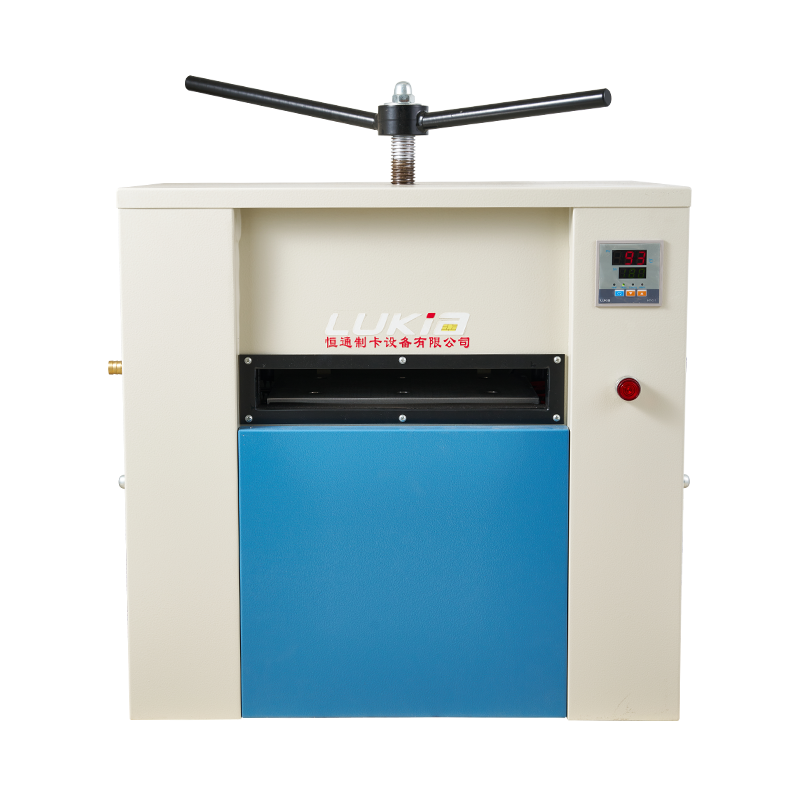
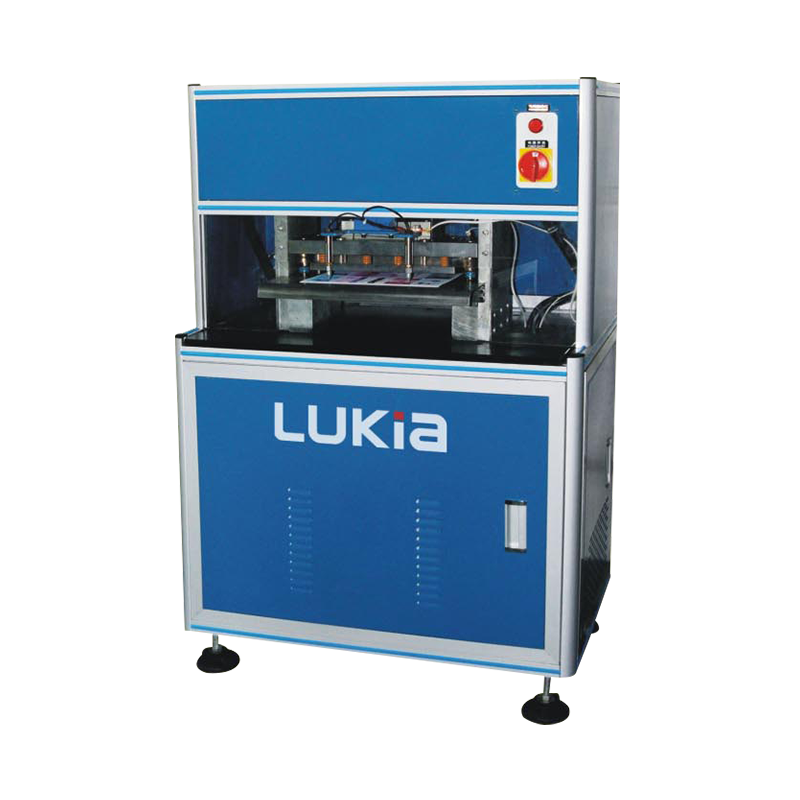
Hole punching shows the same sensitivity. The HT-308-5 electric punch handles PVC from 0.4 to 1 mm thick and cuts a 5 mm round hole or a 4 x 15 mm slot, the usual lanyard shape, at about 1,000 cards per hour. A lever transmission with clutch control keeps force even, so edges come out smooth rather than burred.
Hot Stamping Sets the Visual Impression
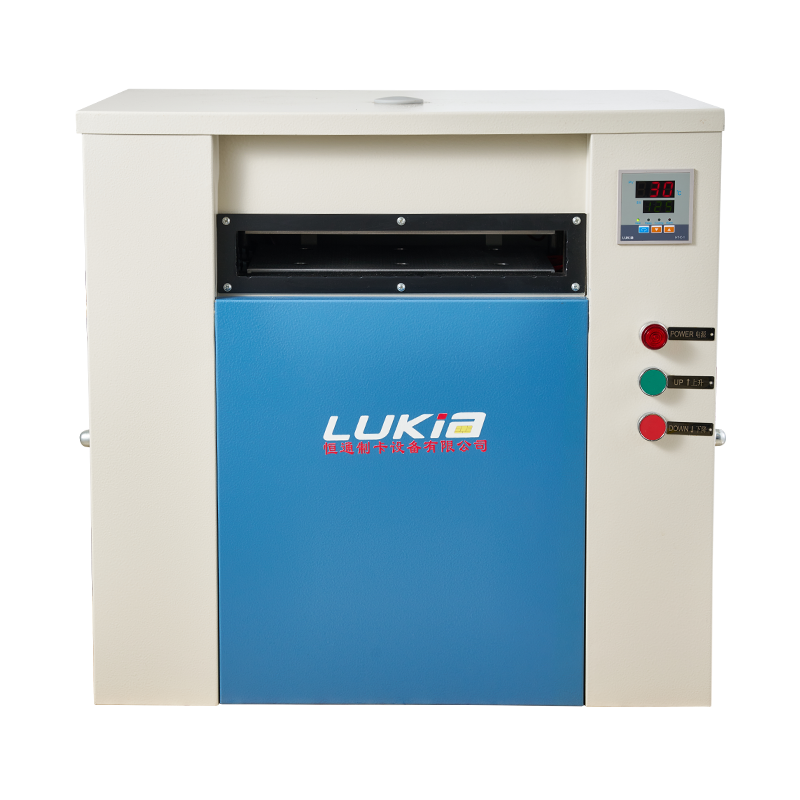
Hot stamping is the part of PVC card auxiliary equipment that customers notice at a glance. A metallic logo or border changes how a card is perceived more than any print setting can. The HT-220 stamps an area of 60 x 90 mm with a plate that heats up to 200°C and feeds foil up to 60 mm at a time. Gold, silver, and colored foils release at slightly different temperatures, so adjustable heat, stroke, and speed matter more than raw power; its 300W plate and balanced pressure system are aimed at crisp edges instead of smeared ones.
Coding Gives Each Card an Identity
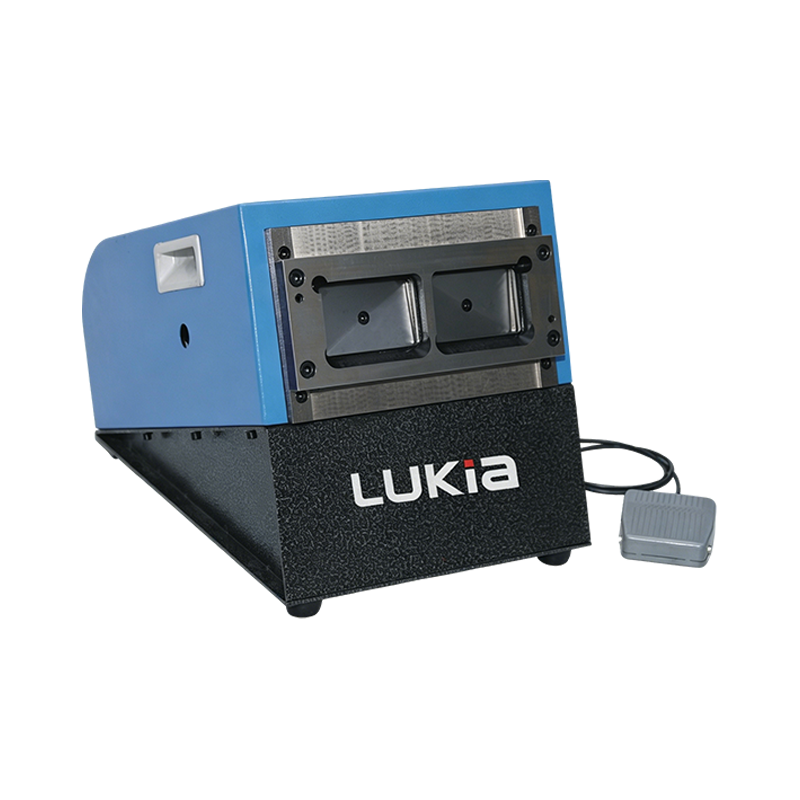
Coding is what makes card number 1 different from card number 500. The HT-399 manual coding machine embosses raised or recessed characters on ISO-size cards of 85.5 x 55 mm. Its turnplate carries 68 characters, including letters, numerals and symbols, with two spacing gears (1/7 and 1/10 inch) and up to 11 lines per card. Small stores, venues, and financial counters that issue a few dozen cards at a time do not need a production line, just a machine that places each character where the sample card says it should go. This is the one piece of PVC card auxiliary equipment that turns a generic blank into a personal card.
Why a Staged Setup Pays Off
The cost logic favors building a bench in stages. The hot stamper at 7 kg and the coding machine at 8.8 kg need little more than table space; the punch, at 23 kg net, and the spot bonder, at 40 kg net, call for a fixed position, and the bonder also takes a 0.6 MPa air supply. A studio can start with decoration and personalization, then add bonding and punching as volumes rise. Shops that grow this way tend to catch problems earlier, because PVC card auxiliary equipment with adjustable pressure, temperature, and spacing makes each batch repeatable instead of improvised.
The arithmetic of mistakes explains why this matters. A hole punched off center is found once the sheet is cut, and a misaligned stack once lamination is done. Either way, the cost is a reprinted sheet or batch, not a quick touch-up. With PVC card auxiliary equipment, a few minutes spent setting guides and temperatures are cheap by comparison.
As orders move toward smaller, more personalized runs, finishing flexibility is turning into a competitive advantage. PVC card auxiliary equipment gives card makers a way to add foil, embossed codes, custom holes, and stable bonding without rebuilding the production line, and that flexibility is likely to keep growing in value.