

 ENG
 中文简体
 Português
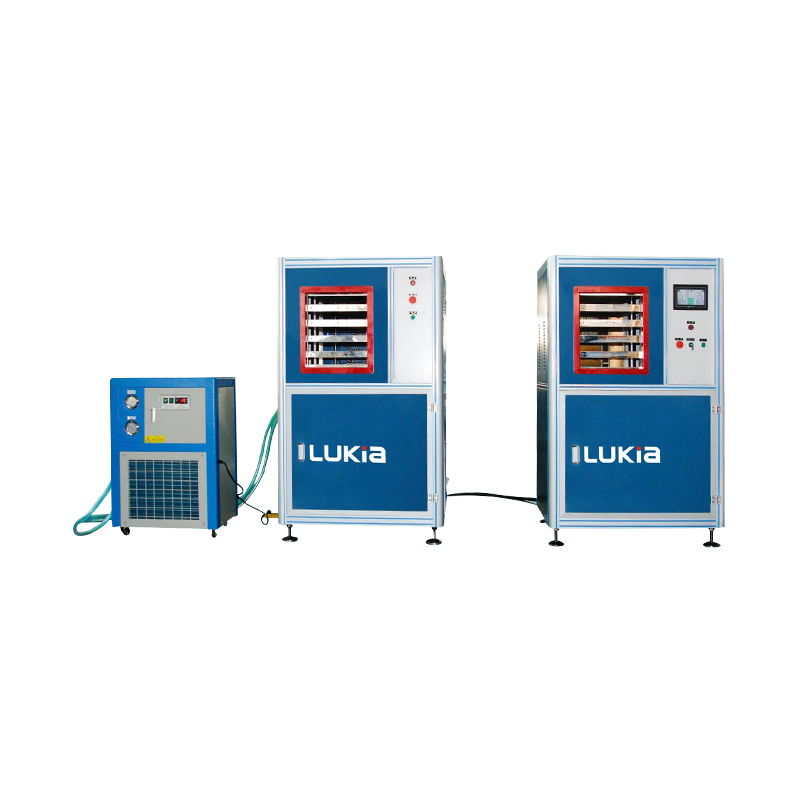
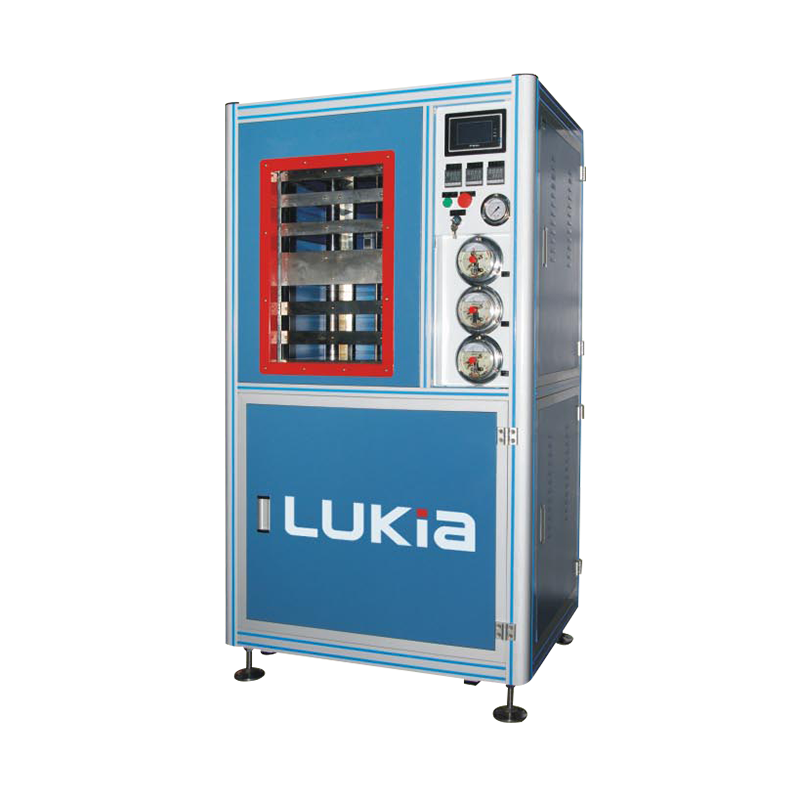
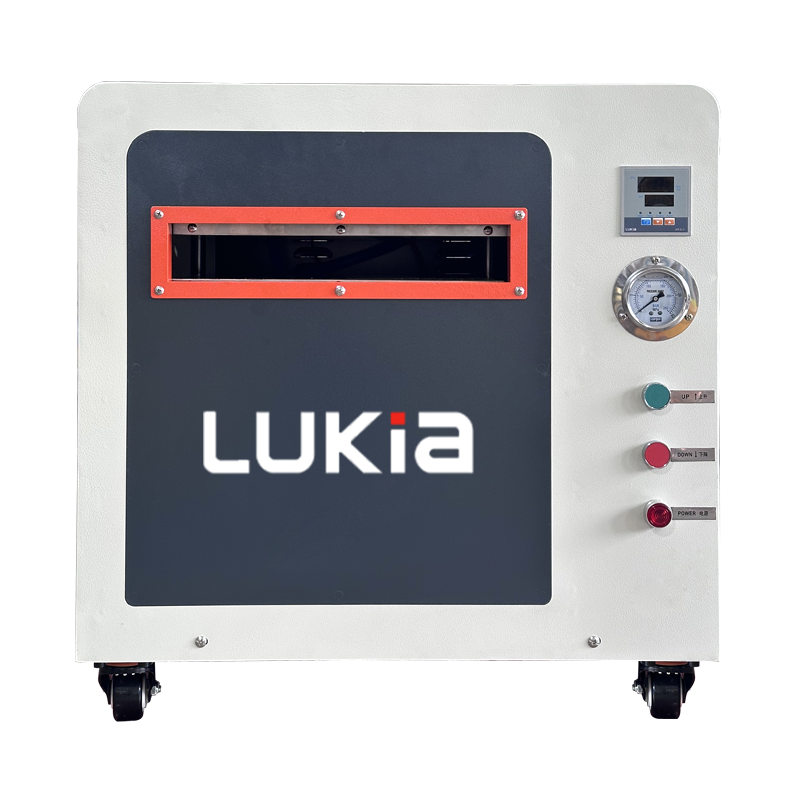
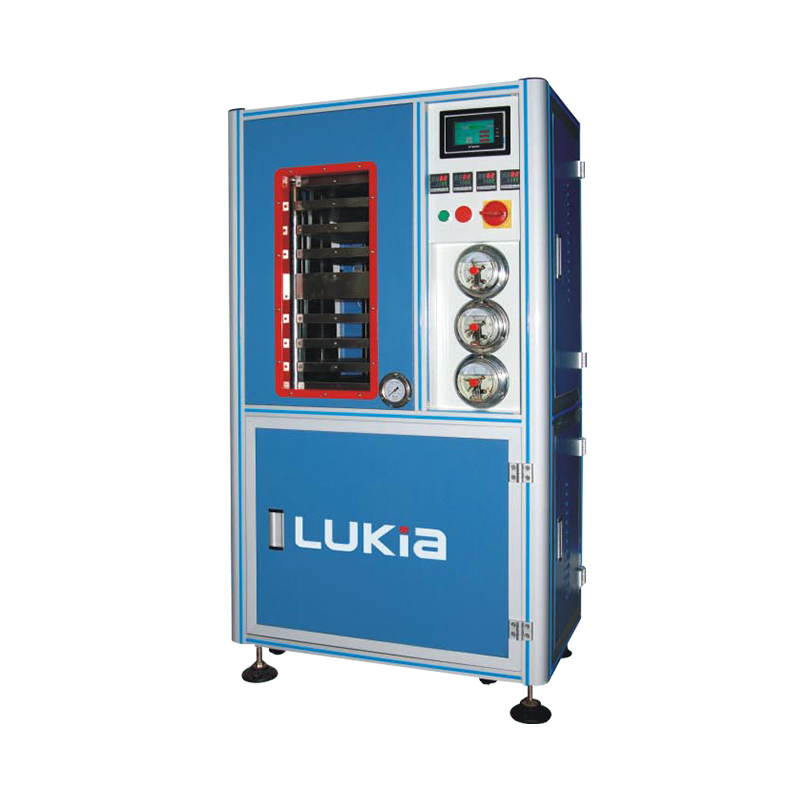
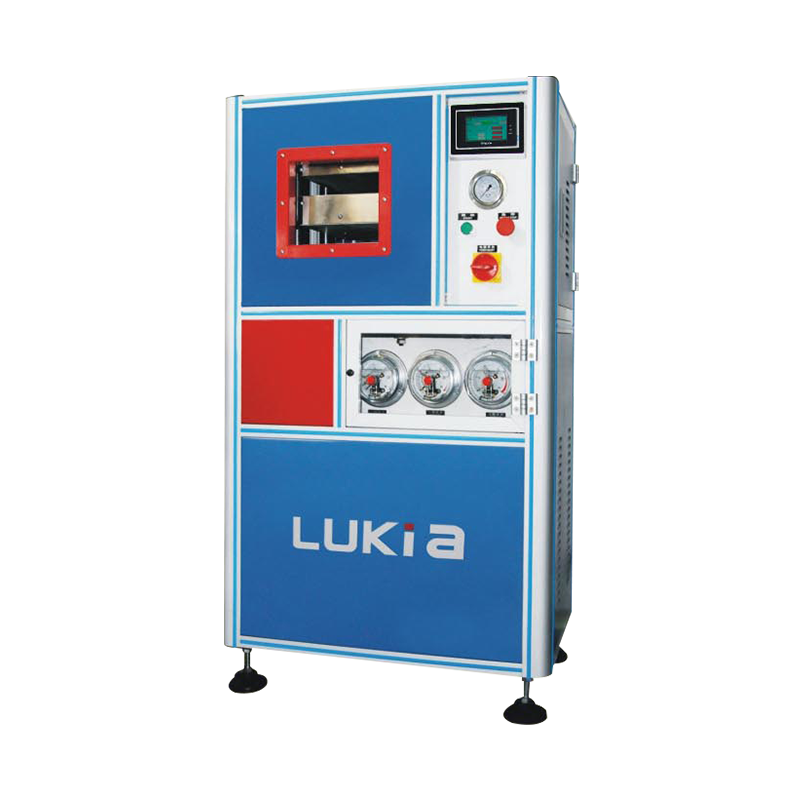
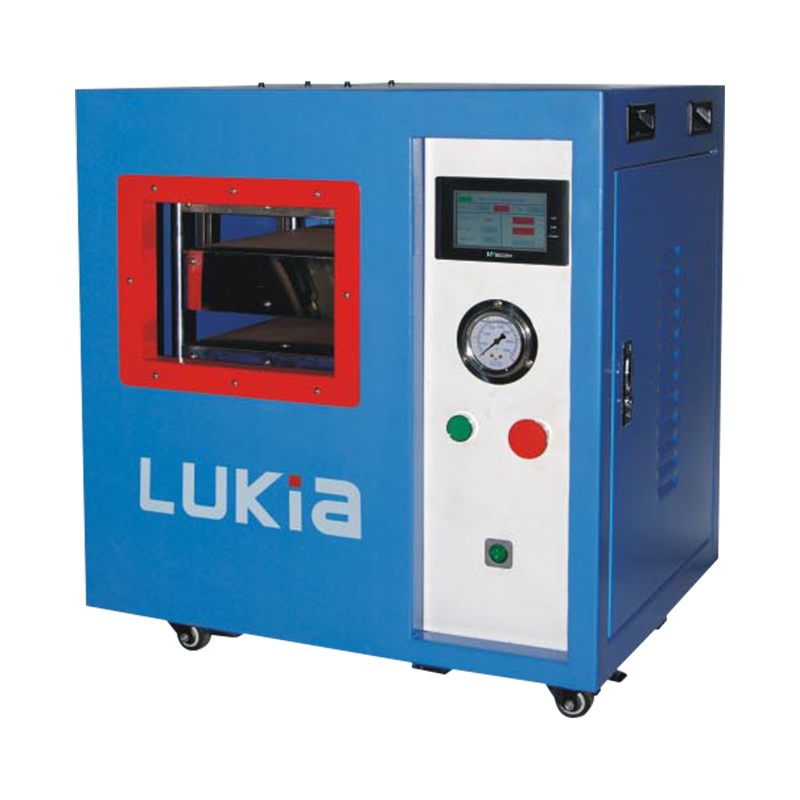
The HT-C-6-A4 is a Single-Cylinder Smart Card Laminator for A4 sheets measuring 210 x 297 mm. Its applications range from personalized inkjet and digital portrait cards to smart IC cards, ID cards, inlay lamination, filled cards and pre-print proofing. That range lets smaller card producers use one Single-Cylinder Smart Card Laminator for different sheet-based jobs without setting up several dedicated presses.
One Heating Station, One Cooling Station
The HT-C-6-A4 uses a straightforward sequence. A loaded sheet enters the heating station, receives pressure during lamination and then moves to the cooling station. The operator follows the same route for each cycle. For a Single-Cylinder Smart Card Laminator, this makes the process easier to organize when jobs change frequently.
PID-controlled tubes provide heat, while an oil hydraulic system applies pressure in two stages, from a lower initial force to the main pressing stage. The specified range is 0 to 160 bar (0 to 2,300 psi), followed by water cooling. For PVC stacks, the suitable temperature and cooling conditions depend on the material and film combination. Keeping the stack under pressure as it cools helps limit curling and maintain a flat sheet.
Seven Applications, Different Lamination Needs
The seven listed applications can be understood through the materials and layers that pass through the press. Printed cards need the surface layers bonded without disturbing the image. Chip and inlay products require the embedded components to stay in position. Proofing, meanwhile, is about checking a proposed combination before a larger batch is prepared.
Print-Heavy Cards
Personalized inkjet cards, digital portrait cards and ID cards all rely on a clean bond between the printed layer and the protective film. Heat and pressure need to be suitable for the ink, PVC sheet and adhesive film being used. The PID heating control and repeatable pressing cycle of a Single-Cylinder Smart Card Laminator provide a defined process for these jobs, although the settings still need to be matched to the material stack.
Chip and Inlay Cards
Smart IC cards, inlay lamination and filled cards contain components within the sheet, such as a chip module or RFID inlay. Their position must be maintained during pressing, since movement can affect the finished card and the function of the embedded part. A two-stage pressure cycle allows the press to build force in steps, while PLC control helps keep the selected cycle settings consistent between batches.
Proofing Before Production
Pre-print proofing tests allow a shop to check a new layout, film or inlay position before committing to a production batch. An A4 sheet arranged in a 10-up layout can produce ten CR-80 card positions in one cycle. The HT-C-6-A4 is rated for up to 100 ISO CR-80 cards per cycle, so the same Single-Cylinder Smart Card Laminator can be used for a small trial and for larger sheet-based batches. It can reveal bonding or alignment issues before a full run.
Placing The Press In A Card Workshop
The HT-C-6-A4 is designed around an A4 working format and a single hydraulic station, so it occupies a different role from a fully automatic laminating line. It operates on 220 V, 50/60 Hz power and has a rated input of 3.5 kW. Its shipping weight is about 150 kg. A shop needs to check its power supply, installation area and delivery access before installation.
Hengtong's fully automatic HT-C-9-A4 also handles A4 sheets but weighs about 380 kg. The difference reflects the larger machine's automatic arrangement. A Single-Cylinder Smart Card Laminator can suit a workshop that needs hydraulic pressing and PLC control but does not have the floor space or production demand for a heavier automatic system.
How It Fits Between Printing And Punching
Lamination is one stage in a longer card-making sequence. Printed sheets may be prepared with an overlay, chip or inlay, then pressed and cooled before punching. The HT-C-6-A4 fits between those preparation and finishing steps. Its touchscreen and PLC control let operators select and manage the process settings for different jobs. A Single-Cylinder Smart Card Laminator can therefore serve different card types without treating each one as a separate production line.
For smaller plants, studios and card shops, the useful point is the range of work that can pass through the same Single-Cylinder Smart Card Laminator. It can handle printed cards, embedded inlays and proofing sheets when the materials and cycle settings are properly matched. As order sizes and product types vary, this flexibility can help a workshop manage several card jobs without dedicating a separate laminator to each one.