

 ENG
 中文简体
 Português
PVC Inkjet Printing Substrate is the white, coated PVC sheet that lets water-based inkjet ink settle cleanly on plastic, and it largely decides whether a short-run card looks like a card or a smeared sheet. Its role has grown as card orders turn smaller and more personalized, with a different photo, name and barcode on every card.
Why Short Runs Moved to Inkjet
Offset printing spends its effort on setup. Plates, ink balance and make-ready pay off across thousands of copies, but at 20 or 300 cards that effort makes up the bulk of the cost, and a plate cannot change its content from one card to the next. Inkjet prints straight from a file, so personalization adds nothing to the setup and a small order is not penalized. That suits schools, clubs, gyms, hotels and event organizers, whose card orders tend to be small and full of variable data.
The catch is chemistry. Inkjet ink is water-based, and plain PVC is smooth and non-absorbent, so the ink beads up and runs instead of settling. PVC Inkjet Printing Substrate solves this with a white PVC sheet carrying a polymer coating that holds the ink in place. The coating gives accurate color reproduction and good visual effects, which is exactly what a photo ID needs when skin tones have to look like skin tones.
What Happens After the Printer
Printing sits in the middle of the process. The design goes onto the white surface with a color inkjet printer, a PVC adhesive film covers it, and the sheet then passes through a laminator. A finished ID card measures about 85.6 x 54 mm and 0.76 mm thick, so the printed layer ends up sealed inside a stack instead of sitting exposed on the surface.

That sequence asks PVC Inkjet Printing Substrate to survive two events in a row: absorb the ink cleanly, then bond with the film under heat and pressure. A sheet that handles the ink but not the bonding looks excellent on the printer tray and fails in the laminator. Punching follows lamination, and a card with a lanyard slot has to hold together at the cut edge, so weak bonding tends to surface at exactly that point.
Defects That Trace Back to the Sheet
Many problems appear on the initial test sheet, and each one points to a specific cause:
|
Symptom |
Likely cause |
|
Ink pooling or beading in solid areas |
Coating too thin or uneven |
|
Washed-out photo colors |
Coating not holding ink at the surface, or printer profile not matched to the sheet |
|
White tone differs from the last order |
Base color varies between batches |
|
Bubbles or cloudy patches after lamination |
Ink not fully dry before the adhesive film goes on |
The pattern is practical: a single print-and-laminate trial reveals much of what a sheet of PVC Inkjet Printing Substrate can do, long before a full order is committed. Repeat customers add another test. A club that reorders 200 cards in spring expects the same white tone it approved in autumn, so batch-to-batch consistency in PVC Inkjet Printing Substrate counts as much as the initial impression.
Where the Sheet Fits in the Line
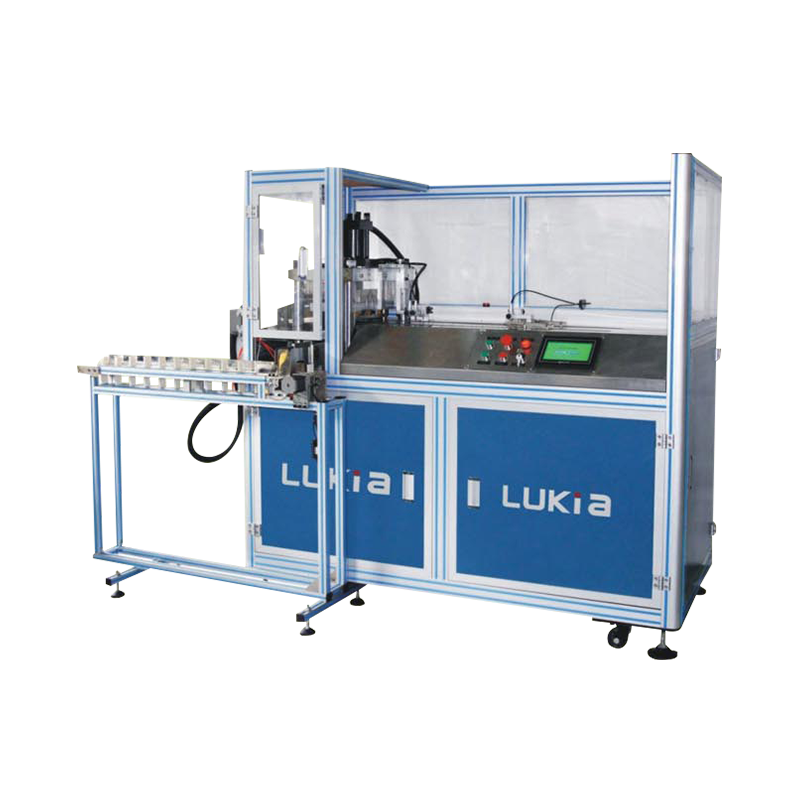
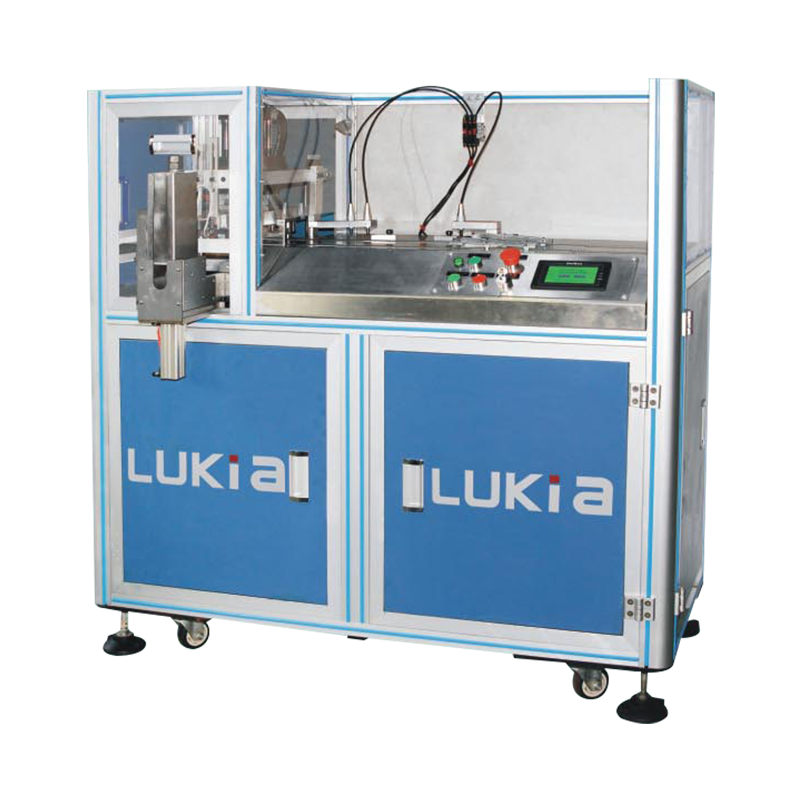
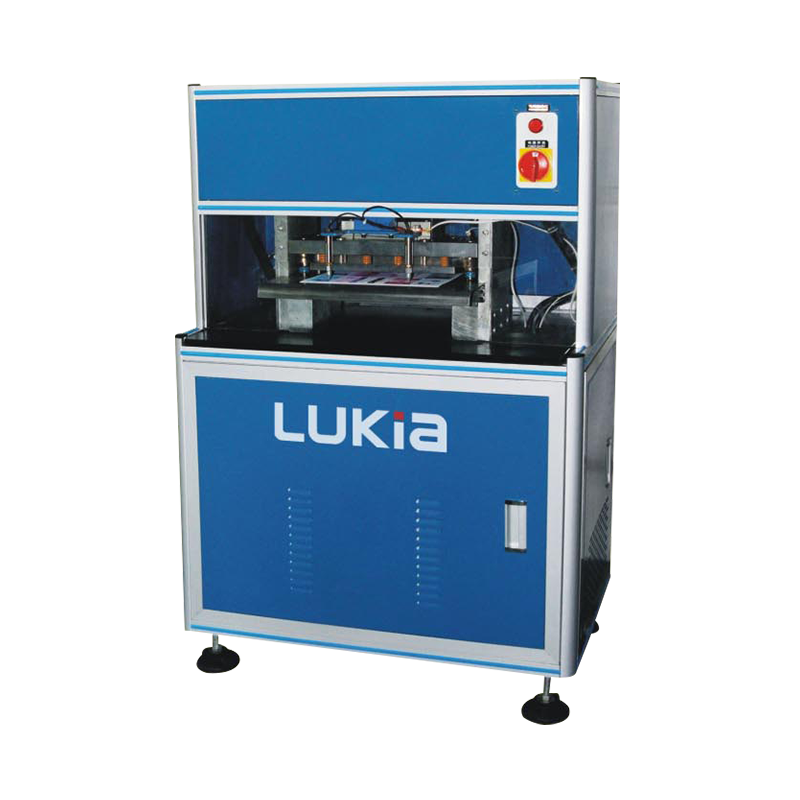
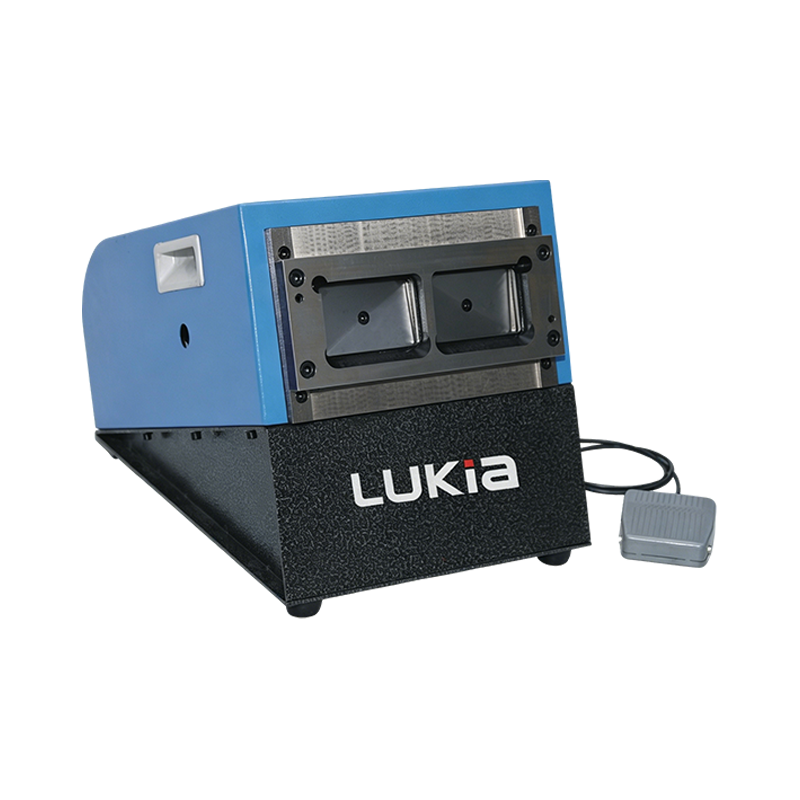
A card line is a chain, and PVC Inkjet Printing Substrate is its opening link: the laminator, the adhesive film and the punching machine all inherit whatever the sheet delivers. Hengtong supplies PVC Inkjet Printing Substrate on an OEM/ODM or wholesale basis alongside laminators, laminated steel sheets and punching machines, which lets a shop match the sheet to the rest of the line instead of adapting each part separately.
For card shops, the shift toward small, personalized orders is unlikely to reverse. Schools want photos, hotels want names, event organizers want individual codes, and none of that fits a plate. As that demand grows, PVC Inkjet Printing Substrate becomes the material that decides whether inkjet is a real production method or a sample-room trick, and a coated, white, laminate-ready sheet is what moves it toward the former.