

 ENG
ENG 中文简体
中文简体 Português
Two laminators can both be called high speed and still differ twentyfold in cards per cycle. Hengtong Card Making Equipment Co., Ltd., based in Yongjia County, Wenzhou, lists both an A4 unit that outputs up to 100 ISO cards per cycle and an A3 unit that outputs up to 2,000. For buyers comparing a High Speed Card Laminator across brands, the number that matters is cards per cycle, since sheet size and the number of heating openings set it before any other feature does.
Output Is Counted Per Cycle
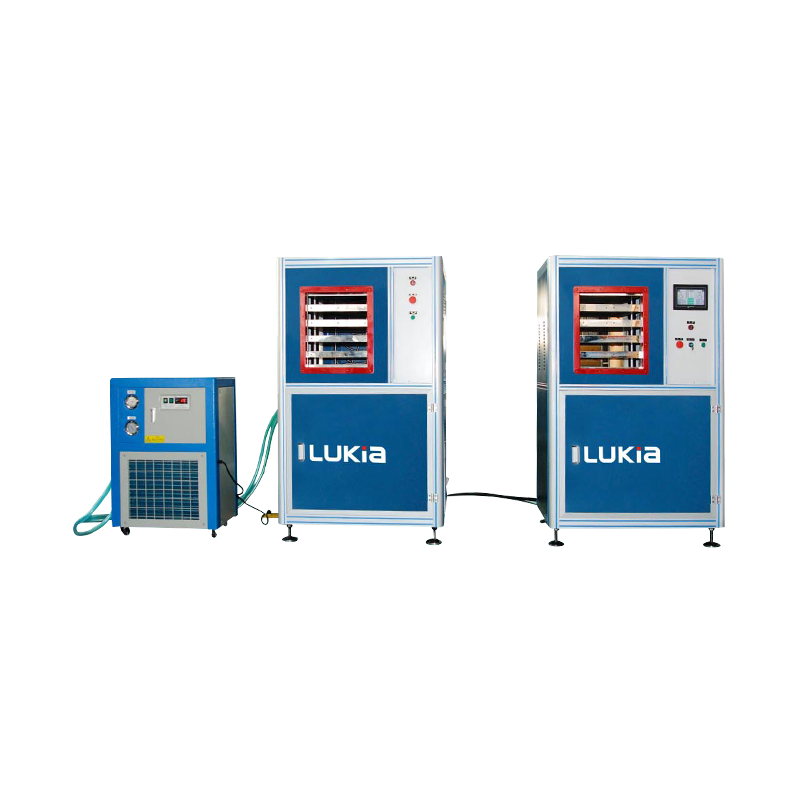
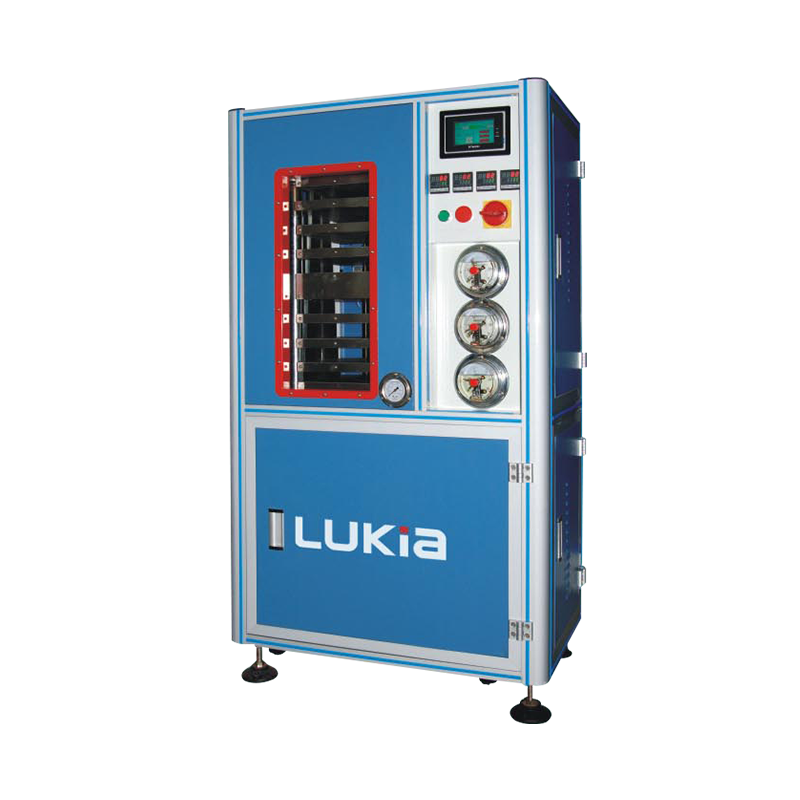
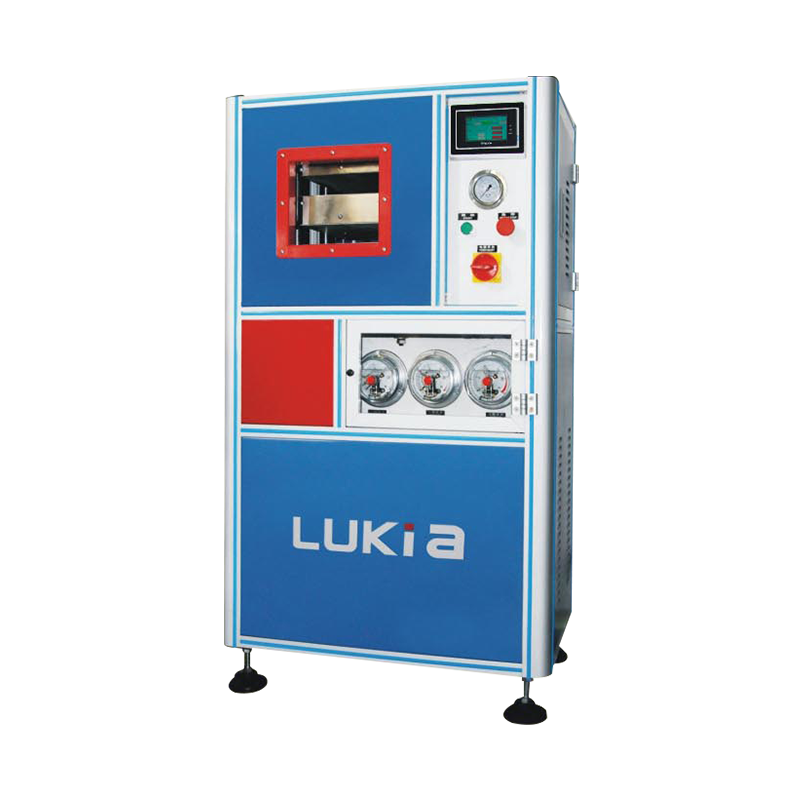
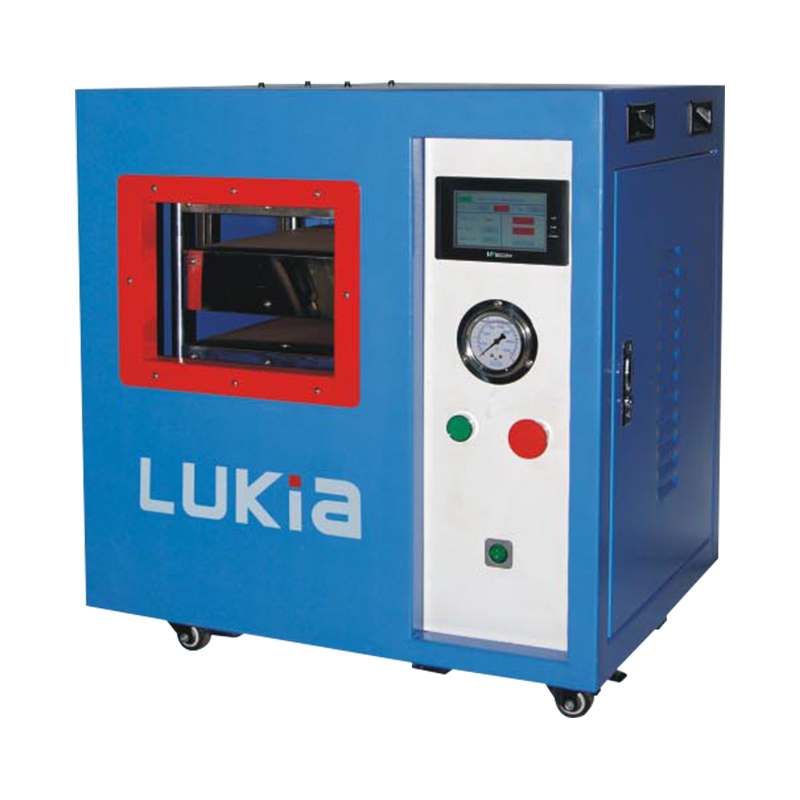
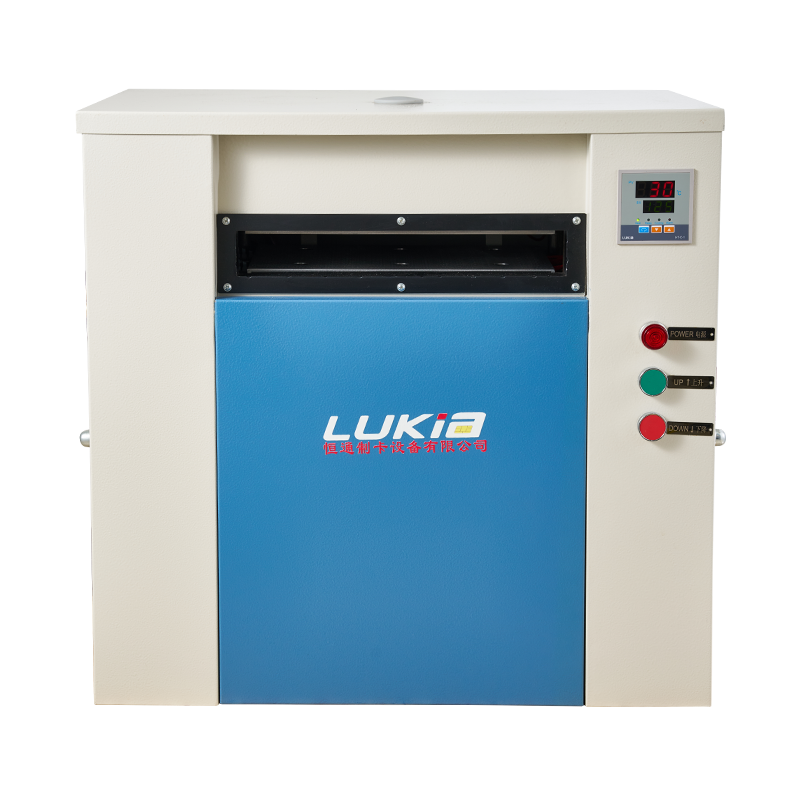
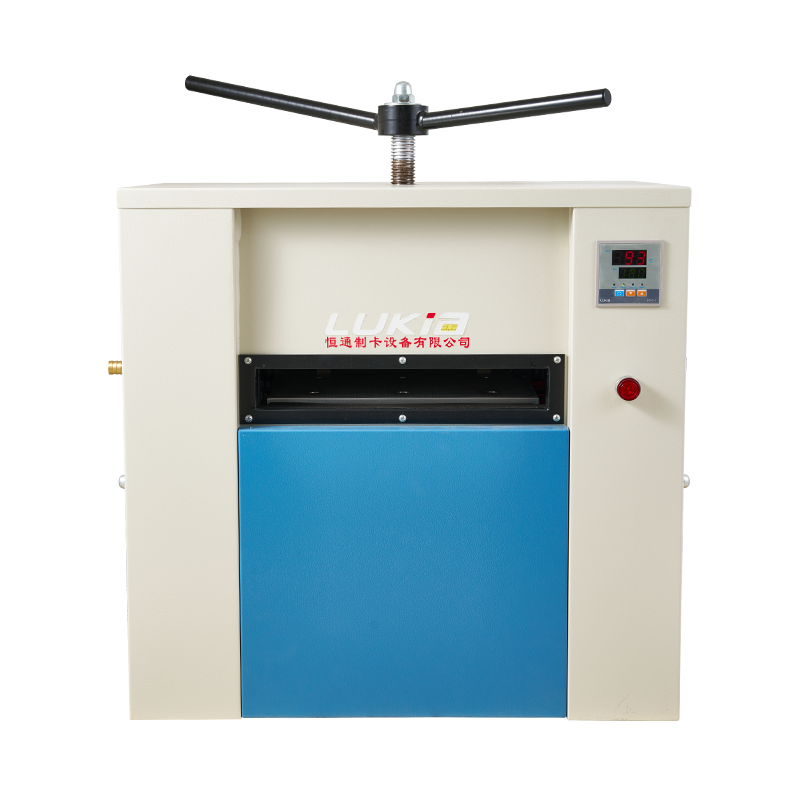
A High Speed Card Laminator presses stacked sheets between heated and cooled plates, so output depends on how many sheets fit in one load and how many cards each sheet carries. The HT-C-9-A4 takes A4 sheets, 210 × 297 mm and up to 220 × 310 mm, with a 10-up layout of standard ISO CR-80 cards and one heating opening and one cooling opening. The HT-C-5W2-A3 takes sheets of 320 × 480 mm and up to 350 × 520 mm, with a 24-up or 25-up layout on A3 or A3+ and five heating and five cooling openings. Both figures come straight from the specification tables, and they explain the gap in output between the two models.
Control for Inlay Cards
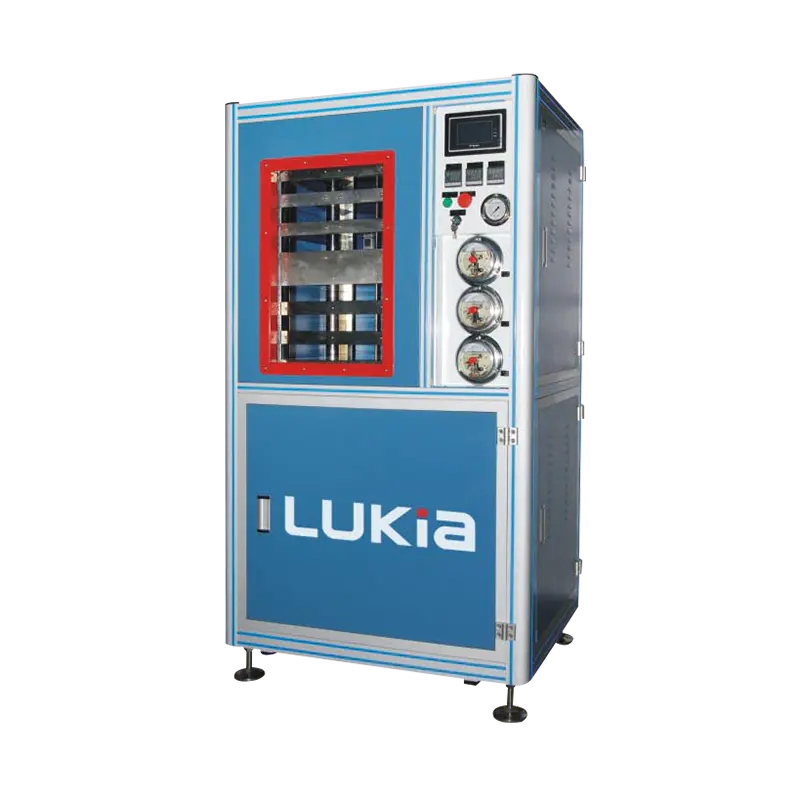
Contactless cards place a chip and antenna inside the layers, so temperature and pressure have to stay inside a narrow range. Hengtong describes the HT-C-5W2-A3 PLC Touchscreen Laminator as hydraulic pressing with electric heating, water cooling, and PLC control, with closed-loop regulation of temperature and pressure. Its stated control precision is ±1°C for temperature and ±0.3 MPa for pressure. The hot platen can rise in one to five sections, with a flexible dwell time at each section, and the machine offers eight hot-lamination grades and four cold-lamination grades. A High Speed Card Laminator with that level of control can run RFID cards, electronic labels and inlay cards on one platform.
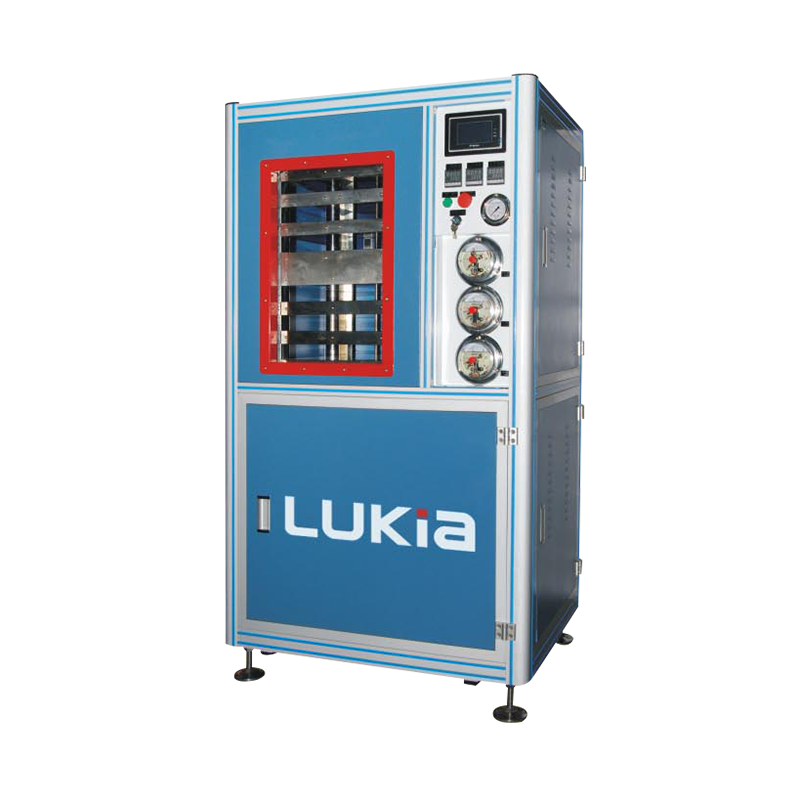
The HT-C-9-A4 is aimed at contactless IC and ID inlay cards too. It combines separate heating, cooling, and pressure circuits, an oil cylinder built to Italian standards for balanced pressure with low noise and vibration, and ductile iron heating plates that keep their shape. Pressure runs from 0 to 160 bar in three steps; heating uses PID-controlled elements and cooling uses circulating water.
The table below sets two High Speed Card Laminator models side by side.
|
Parameter |
HT-C-9-A4 |
HT-C-5W2-A3 |
|
Sheet format |
210 × 297 mm (up to 220 × 310 mm) |
320 × 480 mm (up to 350 × 520 mm) |
|
ISO CR-80 layout |
10-up on A4 |
24-up (25-up) on A3 (A3+) |
|
Output per cycle |
Up to 100 cards |
Up to 2,000 cards |
|
Openings |
1 heating, 1 cooling |
5 heating, 5 cooling |
|
Control |
Microcomputer, PID heating |
PLC touchscreen, closed loop |
|
Cooling |
Water in, water out |
Chiller |
|
Power |
220 V, 2 HP |
AC 380 V, 5 HP |
|
Packed weight |
About 380 kg, 1 crate |
About 2,800 kg, 2 crates |
Utilities and Shipping
Output is only part of the purchase. The A4 unit runs on 220 V and ships as one crate of about 380 kg, so a small plant can plan its power and floor space around a single crate. The A3 unit needs AC 380 V and a chiller, and it ships in two crates totaling about 2,800 kg. A buyer who plans the plant floor, the power supply and the cooling before ordering knows what arrives at delivery. Hengtong lists these figures for each model, so an importer can pass them to a customer's facilities team along with the quote for the High Speed Card Laminator.
A Line Built Around the Laminator
Hengtong builds custom laminators and positions each Smart Card Laminating Machine inside a complete card production line. Its range also includes card punching machines, consumables and auxiliary equipment, so a customer can add an automatic puncher after the laminator or order PVC film, laminating pads and steel sheets from the same supplier. The company offers machine selection guidance based on the customer's product, recipe, and planned production capacity, which helps a buyer decide between an A4 unit for a modest volume and an A3 unit for a larger one.
A High Speed Card Laminator has to hold its settings from one batch to the next, and Hengtong applies strict control to raw materials and production so that batches stay consistent and traceable. Its team responds around the clock to export customers and tailors solutions to each factory. Buyers of a High Speed Card Laminator who start with an A4 unit can move to an A3 model later and keep the same supplier, since both sizes sit in one catalog.